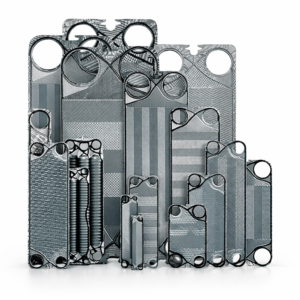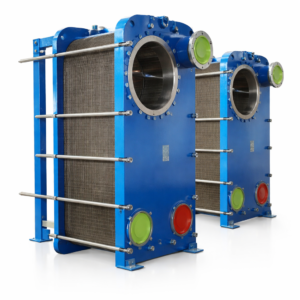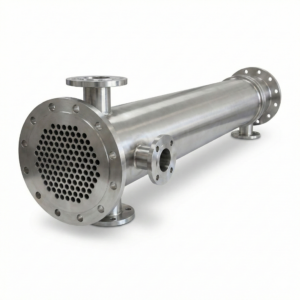
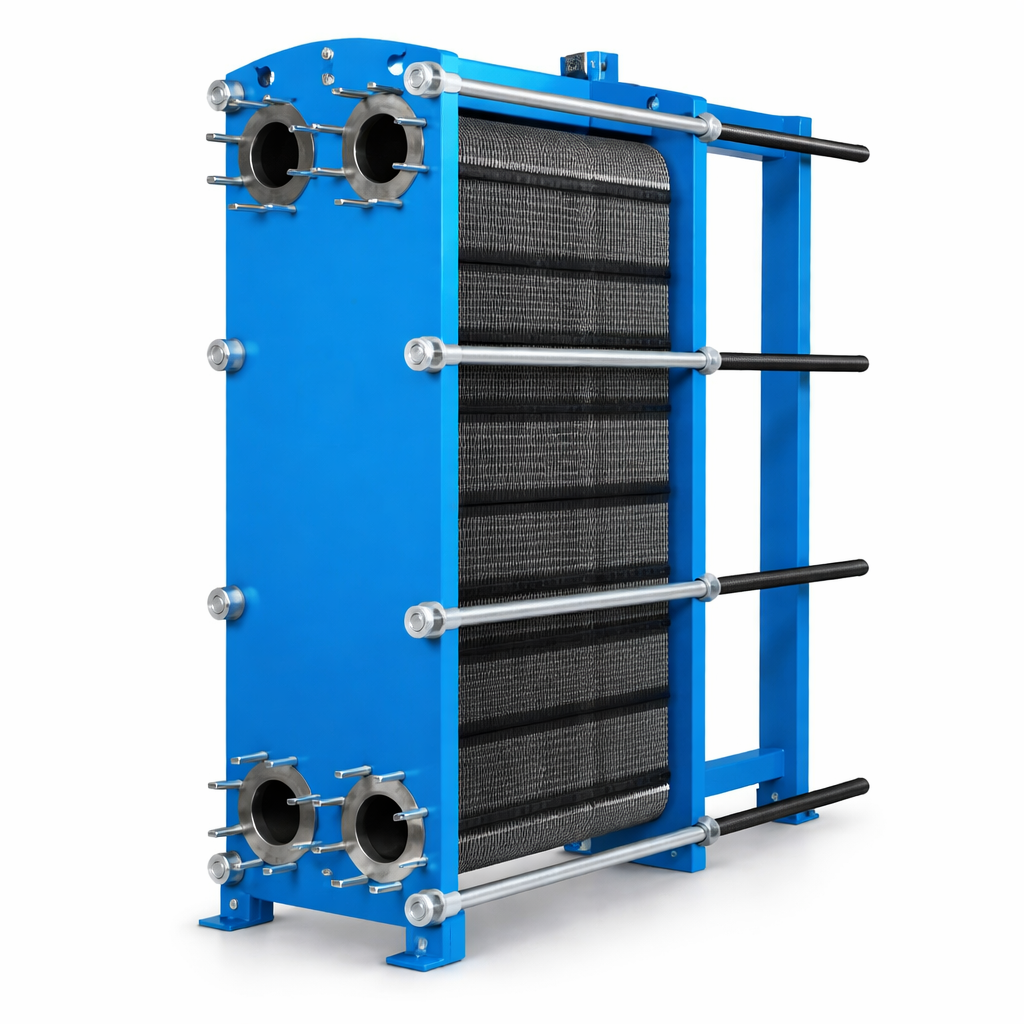
Heat Exchanger Plates are precision-engineered corrugated metal components that provide the primary surface for thermal transfer in Plate Heat Exchangers (PHE), offering maximum efficiency in a compact footprint.
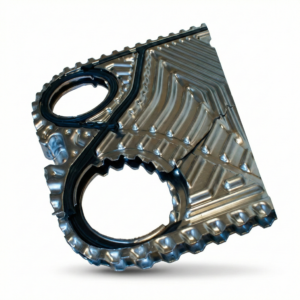
Heat Exchanger Plates are the core elements of a gasketed or brazed plate heat exchanger. Each plate is stamped with a specific corrugation pattern—often referred to as “chevron” or “herringbone”—designed to create high turbulence even at low flow rates. This turbulence significantly enhances the heat transfer coefficient while reducing the risk of fouling.
Technically, the efficiency of Heat Exchanger Plates lies in their ability to maximize the surface area-to-volume ratio. This allows for extremely close temperature approaches, meaning the cold fluid can be heated to a temperature very near that of the entering hot fluid, which is vital for energy recovery in industrial plants.
These plates are available in a wide variety of materials and thicknesses to suit different chemical environments. From standard stainless steel for water-to-water applications to titanium for seawater or acidic processes, the selection of the right plate material is crucial for the longevity and safety of the industrial system.
Key Features of Heat Exchanger Plates
Technical Specifications for Heat Exchanger Plates
Uses and Applications of Heat Exchanger Plates
Usage and Maintenance Recommendations for Heat Exchanger Plates
Frequently Asked Questions about Heat Exchanger Plates
How do I know when the plates need cleaning?
A significant increase in pressure drop across the exchanger or a noticeable decrease in thermal performance usually indicates that the plates are fouled.
Can I mix different plate materials in one exchanger?
It is generally not recommended due to potential galvanic corrosion and differences in thermal expansion, unless specifically designed for a hybrid process.
Why are the plates corrugated?
The corrugation increases the surface area and creates turbulence, which “scrubs” the surface of the plate to improve heat transfer and reduce sediment buildup.

Ask us on WhatsApp
Get a quote now