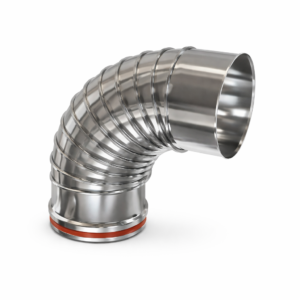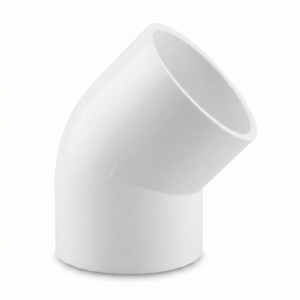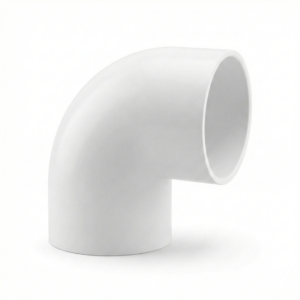
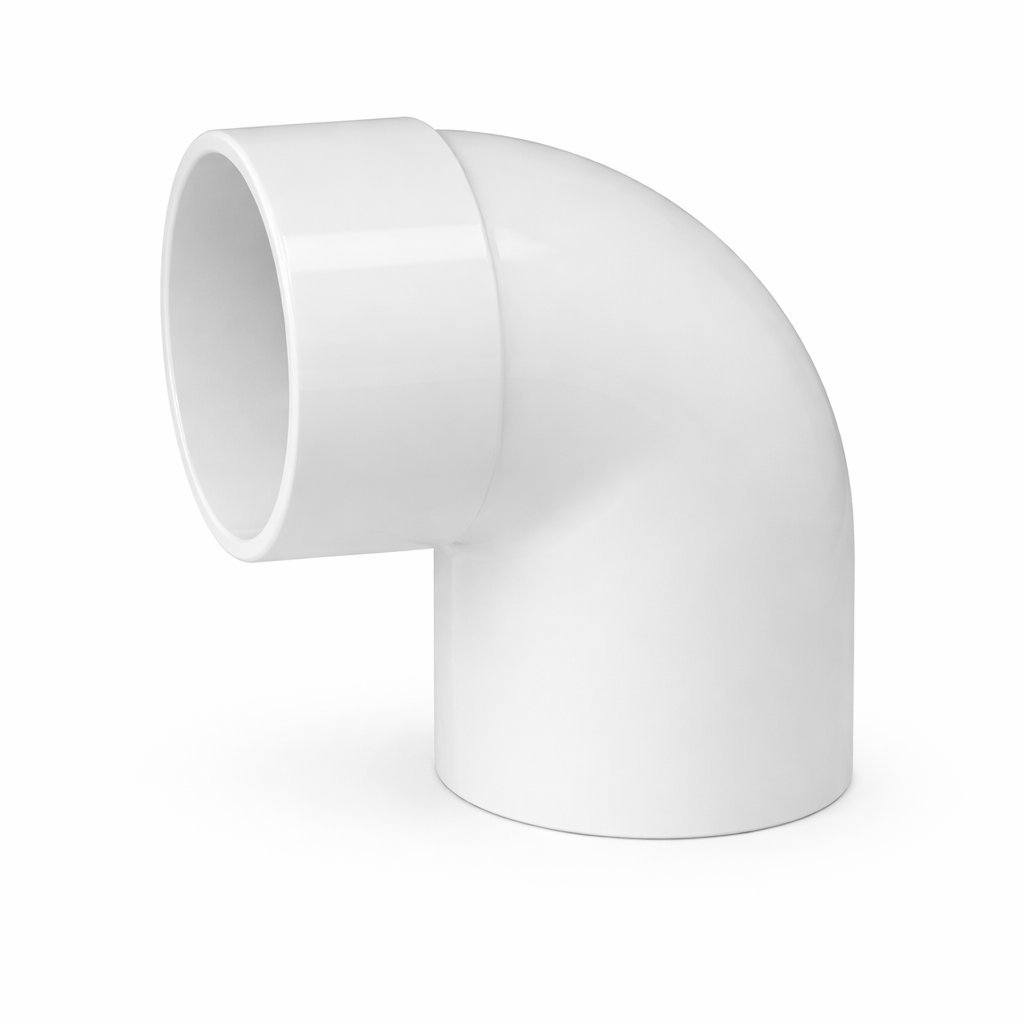
The Elbow 92° is a specialized sanitary fitting designed to create a natural 2-degree slope in horizontal piping, ensuring total gravity drainage and eliminating stagnant liquid in high-purity systems.
The Elbow 92° is an essential component for the biotech, pharmaceutical, and high-end food industries. While a standard 90° elbow is perfect for vertical-to-horizontal transitions, it can create “dead legs” or puddles in horizontal runs. The 92-degree bend provides an intentional 2% slope, which is the industry standard for ensuring that pipelines drain completely by gravity when the flow is stopped.
Technically, the Elbow 92° is critical for validated Clean-in-Place (CIP) and Sterilize-in-Place (SIP) systems. By ensuring that no cleaning solution or product residue remains in the pipe, it minimizes the risk of microbial growth and cross-contamination between batches. This “self-draining” geometry is often a regulatory requirement in processes governed by ASME BPE standards.
Our Elbow 92° fittings are manufactured to the highest sanitary standards, with ultra-smooth internal bore finishes and precise wall thickness. They are specifically designed for orbital welding or tri-clamp connections, allowing engineers to design “sloped” piping systems that are both aesthetically clean and functionally superior for drainage.
Key Features of the Elbow 92°
Technical Specifications for Elbow 92°
Uses and Applications of the Elbow 92°
Usage and Maintenance Recommendations for Elbow 92°
Frequently Asked Questions about Elbow 92°
Why not just use a standard 90° elbow and tilt the pipe?
Tilting a standard 90° elbow can stress the joints and make the vertical leg crooked. The 92° elbow allows the vertical leg to remain perfectly plumb while providing the necessary slope for the horizontal leg.
Is the 92° elbow used in residential plumbing?
No, this is a specialized industrial and sanitary fitting. Residential plumbing typically uses different methods (like 1/4 inch per foot slope) with standard PVC or copper fittings.
Does it affect flow rate compared to a 90°?
The difference in flow dynamics is negligible for most process applications; the primary benefit is the static drainage capability when the system is not in motion.

Ask us on WhatsApp
Get a quote now