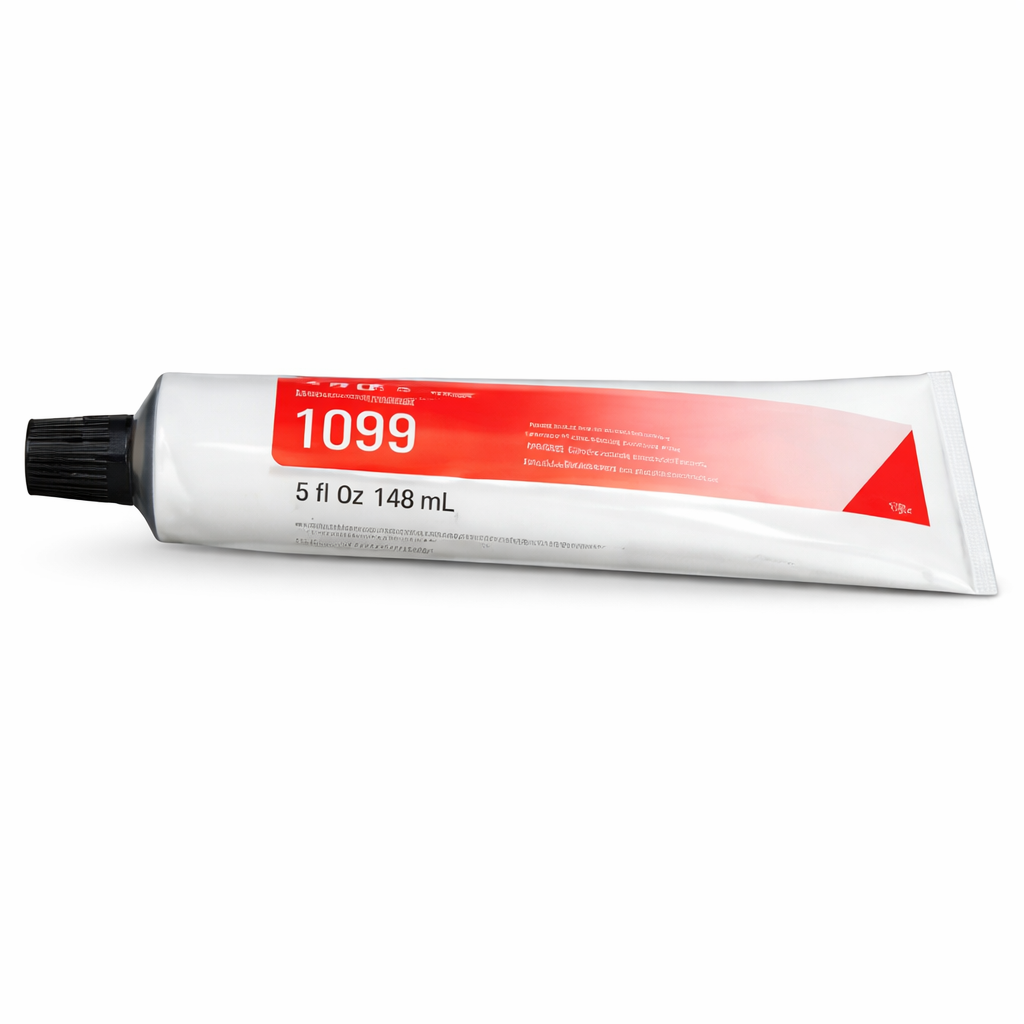
Description
Adhesives are specialized bonding and sealing compounds used as heat exchanger replacement parts to repair, assemble, and reinforce critical components within thermal transfer systems. From securing gaskets and sealing minor leaks to bonding insulation and repairing tube-to-tubesheet joints, industrial adhesives play a vital role in extending equipment service life and minimizing unplanned downtime. Their formulation for high-temperature, high-pressure, and chemically aggressive environments makes them indispensable tools in the maintenance and repair of plate, shell and tube, and double pipe heat exchangers.
Available in epoxy, silicone, anaerobic, and polyurethane-based formulations, heat exchanger adhesives are engineered to deliver reliable bonding strength under sustained thermal and mechanical stress. Whether used for permanent repairs, gasket retention, thread sealing, or surface restoration, these compounds cure to form chemically resistant, dimensionally stable bonds that maintain integrity across the wide temperature and pressure cycles typical of industrial heat transfer operations. Proper adhesive selection and application is essential to achieving long-lasting, leak-free repairs in demanding process environments.
Main Features of Adhesives for Heat Exchangers
- High thermal resistance: formulated to maintain bond strength at elevated operating temperatures.
- Chemical compatibility: resistant to process fluids including oils, chemicals, steam, and refrigerants.
- Strong mechanical bonding: engineered for high shear, tensile, and peel strength under industrial loads.
- Versatile application: suitable for metal-to-metal bonding, gasket retention, sealing, and surface repair.
- Fast and reliable cure: available in rapid-cure and controlled-cure formulations for maintenance flexibility.
- Corrosion and vibration resistance: protects joints and surfaces from degradation in demanding environments.
Technical Specifications of Adhesives for Heat Exchangers
- Type: epoxy, silicone, anaerobic, polyurethane, and cyanoacrylate-based industrial adhesives.
- Material compatibility: bonds to steel, stainless steel, copper, aluminum, and composite substrates.
- Temperature range: varies by formulation, from standard industrial service to extreme high-temperature applications.
- Cure method: ambient cure, heat cure, or UV cure depending on product type.
- Chemical resistance: compatible with water, steam, hydrocarbons, refrigerants, and mild acids or bases.
- Application range: plate, shell and tube, double pipe, and brazed heat exchanger maintenance and repair.
Uses and Applications of Adhesives for Heat Exchangers
- Gasket bonding and retention: securing replacement gaskets to plate frames during heat exchanger reassembly.
- Tube-to-tubesheet sealing: reinforcing or repairing joints in shell and tube heat exchangers.
- Surface crack and leak repair: restoring integrity to damaged shell, tube, or plate surfaces.
- Thread and fitting sealing: preventing leaks at threaded pipe connections and fittings.
- Insulation bonding: securing thermal insulation materials to exchanger shells and piping.
- Chemical and petrochemical maintenance: emergency and scheduled repairs in aggressive process environments.
Recommendations for Installation and Use
- Thoroughly clean, degrease, and dry all bonding surfaces before adhesive application to ensure maximum bond strength.
- Select the adhesive formulation based on the specific fluid exposure, operating temperature, and substrate materials involved.
- Follow manufacturer-recommended mixing ratios, open times, and cure schedules for consistent, reliable results.
- Apply adhesive uniformly and avoid excess that could obstruct fluid flow paths or heat transfer surfaces.
- Allow full cure before returning the heat exchanger to service, particularly for high-temperature or high-pressure applications.
Frequently Asked Questions about Adhesives for Heat Exchangers
What are Heat Exchanger Adhesives used for?
They are used to bond, seal, and repair components within heat exchanger systems, including gasket retention, tube-to-tubesheet joint reinforcement, surface crack repair, and thread sealing. As replacement part accessories, they help restore full operational integrity and extend equipment service life between major overhauls.
Which adhesive type is best for heat exchanger repairs?
The best adhesive depends on the application. Epoxy-based adhesives are preferred for structural bonding and surface repairs due to their high strength and chemical resistance. Silicone adhesives excel in high-temperature sealing applications, while anaerobic adhesives are ideal for thread locking and flange sealing in metal assemblies.
Can adhesives be used as a permanent repair solution?
Industrial adhesives can provide long-lasting repairs when properly selected and applied, but they are generally recommended as a complement to — not a replacement for — mechanical repairs or component replacement. For critical pressure boundaries, adhesive repairs should be evaluated against applicable pressure vessel and process safety standards.
Do heat exchanger adhesives require special surface preparation?
Yes. Surface preparation is critical to bond performance. All bonding surfaces must be clean, dry, and free of oil, rust, scale, and old adhesive residue. Mechanical abrasion followed by solvent degreasing is the recommended preparation method for metal substrates in heat exchanger maintenance applications.