Description
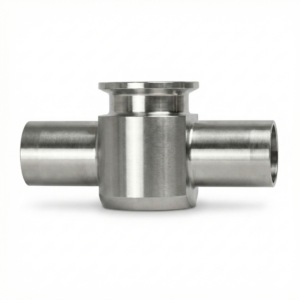
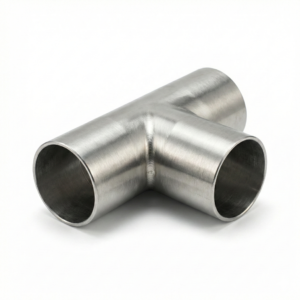
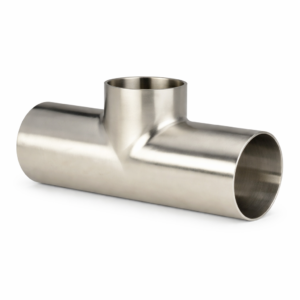
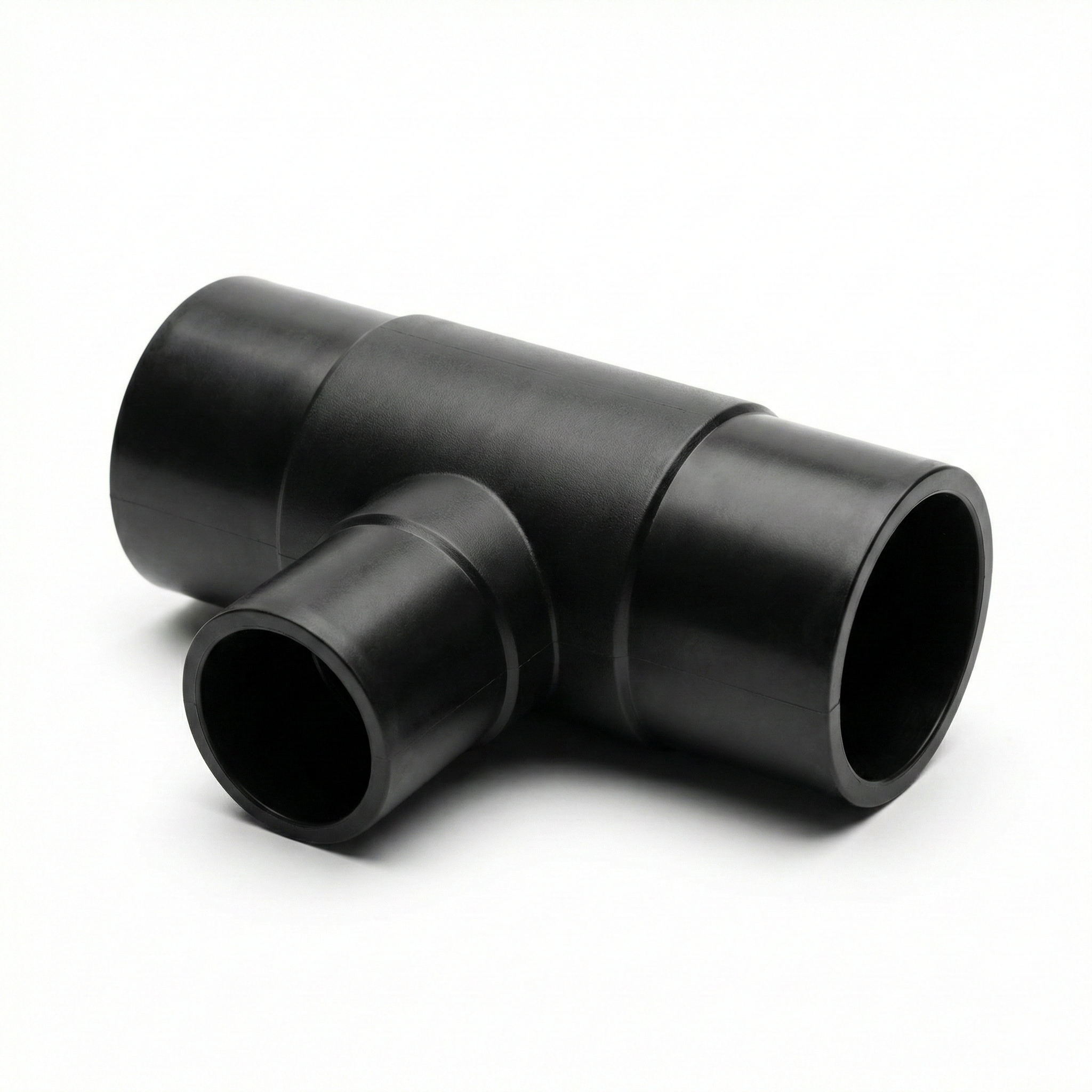
Reducing Tees are specialized pipe fittings engineered to create a three-way pipe connection that simultaneously accommodates two different pipe sizes within a single compact component. Unlike standard equal tees, reducing tees allow the branch outlet to be of a smaller diameter than the main run pipe, enabling controlled flow diversion, pressure management, and efficient fluid distribution across piping networks of varying sizes. Their ability to transition between pipe diameters without requiring additional reducers or adapters makes them a practical and space-saving solution in complex industrial and commercial piping systems.
Manufactured from high-quality stainless steel, carbon steel, copper, or other process-compatible alloys, reducing tees are built to maintain full structural and pressure integrity at the junction point where diameter transition and flow splitting occur simultaneously. Their precise dimensional tolerancing ensures consistent sealing performance and reliable mechanical connection across threaded, butt-weld, socket-weld, and sanitary clamp end connection configurations, making them compatible with a broad range of piping standards and installation requirements in general industrial, sanitary, and process engineering applications.
Main Features of Reducing Tees
- Dual diameter accommodation: connects main run and branch piping of different sizes within a single fitting, eliminating the need for separate reducers.
- Leak-proof pressure integrity: precision-machined body and end connections maintain full sealing performance under sustained operating pressures.
- Wide material availability: manufactured in stainless steel, carbon steel, copper, brass, and other alloys to suit specific process and environmental requirements.
- Multiple end connection options: available in threaded, butt-weld, socket-weld, flanged, and sanitary clamp configurations for broad installation compatibility.
- Compact and space-efficient: integrates diameter reduction and flow branching in one fitting, reducing overall piping system complexity and installation space.
- Durable construction: corrosion-resistant materials and robust wall thickness ensure long service life in demanding process environments.
Technical Specifications of Reducing Tees
- Type: reducing tee pipe fitting with differing main run and branch outlet diameters.
- Material: stainless steel, carbon steel, copper, brass, or other process-compatible alloys.
- End connections: threaded (NPT/BSP), butt-weld, socket-weld, flanged, or sanitary tri-clamp.
- Size range: available across a wide range of nominal pipe sizes to suit standard and custom piping configurations.
- Pressure rating: designed to meet standard industrial pressure ratings in accordance with applicable piping codes and standards.
- Application range: water supply, steam, gas, chemical, food and beverage, HVAC, and general process piping systems.
Uses and Applications of Reducing Tees
- Process piping systems: diverting and distributing flow from main process lines to smaller branch lines without additional reducer fittings.
- Water supply and distribution: connecting main supply mains to smaller diameter service or distribution branch lines in commercial and industrial facilities.
- Steam and condensate systems: branching steam or condensate flow from larger headers to smaller process or heating branch circuits.
- HVAC and building services: distributing chilled water, heating water, or other utility fluids from main risers to smaller zone supply lines.
- Food, dairy, and beverage processing: hygienic branching of product, CIP solution, or utility fluid lines in sanitary piping configurations.
- Chemical and industrial plants: flow splitting and diameter transition in process pipework handling liquids, gases, and steam across varied operating conditions.
Recommendations for Installation and Use
- Verify that the reducing tee’s main run and branch diameters, pressure rating, and material specification are fully compatible with the piping system before installation.
- Ensure all mating pipe ends are clean, properly cut, and deburred before assembling welded or threaded connections to achieve a reliable, leak-free joint.
- Apply appropriate thread sealant, welding procedure, or gasket specification according to the end connection type and the fluid or gas being conveyed.
- Support adjacent piping adequately to prevent mechanical stress concentration at the tee fitting junction, particularly in systems subject to thermal expansion or vibration.
- Inspect all connections after initial pressurization and at regular service intervals to verify joint integrity and detect any signs of leakage or corrosion at the fitting body.
Frequently Asked Questions about Reducing Tees
What are Reducing Tees used for?
They are used to create a three-way pipe connection that branches flow from a main pipe run into a smaller diameter outlet, combining diameter reduction and flow diversion in a single fitting. This eliminates the need for separate reducer components and simplifies piping layouts in industrial, commercial, and process engineering applications.
What is the difference between a reducing tee and an equal tee?
An equal tee has all three openings at the same diameter, while a reducing tee has a branch outlet of a smaller diameter than the main run pipe. Reducing tees are used when the branch circuit requires a lower flow capacity or smaller pipe size than the main distribution line, avoiding the need for an additional reducer fitting downstream of the branch.
What materials are Reducing Tees available in?
Reducing tees are available in a wide range of materials including stainless steel, carbon steel, copper, brass, and specialty alloys. Material selection depends on the fluid or gas being conveyed, operating temperature and pressure, corrosion resistance requirements, and whether the application demands food-grade or industrial-grade specifications.
Do Reducing Tees require special installation tools or procedures?
Installation requirements depend on the end connection type. Threaded reducing tees require appropriate pipe wrenches and thread sealant, butt-weld and socket-weld types require qualified welding procedures, and sanitary clamp types require hygienic gaskets and clamp tightening to manufacturer-specified torque values. All types should be installed in accordance with applicable piping codes and system design specifications.