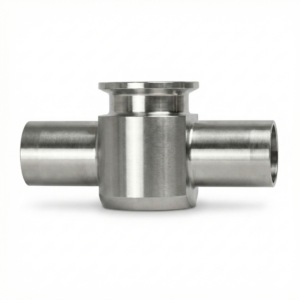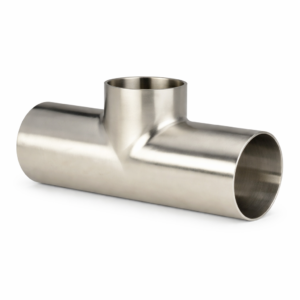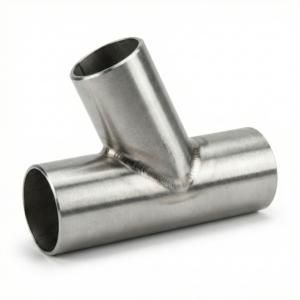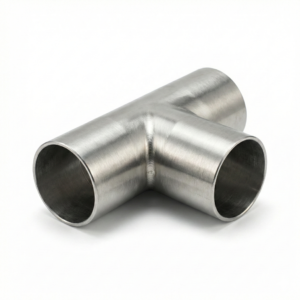
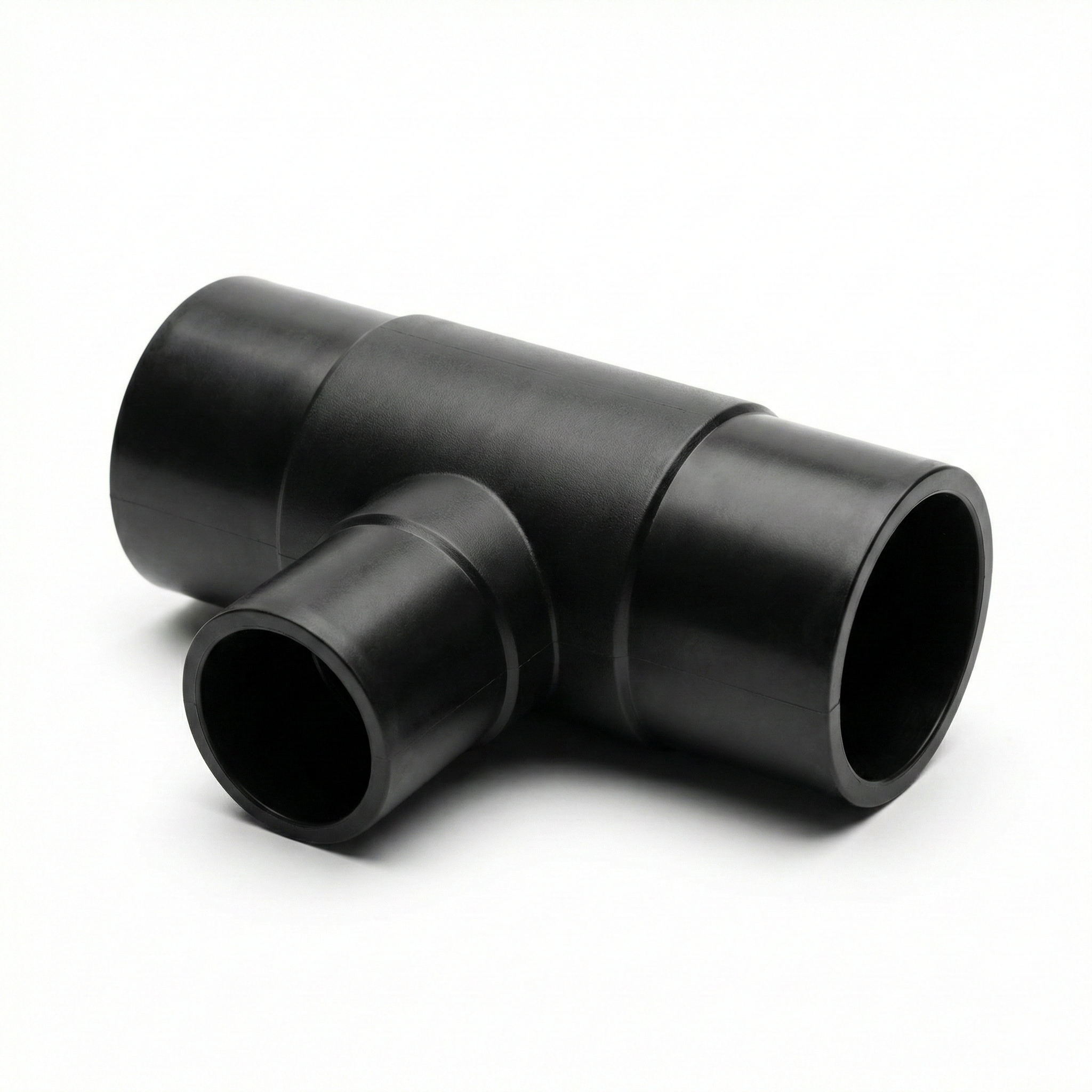
Reducing Tees are essential pipe fitting components designed to connect three sections of piping while accommodating two different pipe diameters within a single fitting, offering precise flow distribution, secure leak-proof connections, and versatile installation in industrial, commercial, and process piping systems.
Reducing Tees are specialized pipe fittings engineered to create a three-way pipe connection that simultaneously accommodates two different pipe sizes within a single compact component. Unlike standard equal tees, reducing tees allow the branch outlet to be of a smaller diameter than the main run pipe, enabling controlled flow diversion, pressure management, and efficient fluid distribution across piping networks of varying sizes. Their ability to transition between pipe diameters without requiring additional reducers or adapters makes them a practical and space-saving solution in complex industrial and commercial piping systems.
Manufactured from high-quality stainless steel, carbon steel, copper, or other process-compatible alloys, reducing tees are built to maintain full structural and pressure integrity at the junction point where diameter transition and flow splitting occur simultaneously. Their precise dimensional tolerancing ensures consistent sealing performance and reliable mechanical connection across threaded, butt-weld, socket-weld, and sanitary clamp end connection configurations, making them compatible with a broad range of piping standards and installation requirements in general industrial, sanitary, and process engineering applications.
Main Features of Reducing Tees
Technical Specifications of Reducing Tees
Uses and Applications of Reducing Tees
Recommendations for Installation and Use
Frequently Asked Questions about Reducing Tees
What are Reducing Tees used for?
They are used to create a three-way pipe connection that branches flow from a main pipe run into a smaller diameter outlet, combining diameter reduction and flow diversion in a single fitting. This eliminates the need for separate reducer components and simplifies piping layouts in industrial, commercial, and process engineering applications.
What is the difference between a reducing tee and an equal tee?
An equal tee has all three openings at the same diameter, while a reducing tee has a branch outlet of a smaller diameter than the main run pipe. Reducing tees are used when the branch circuit requires a lower flow capacity or smaller pipe size than the main distribution line, avoiding the need for an additional reducer fitting downstream of the branch.
What materials are Reducing Tees available in?
Reducing tees are available in a wide range of materials including stainless steel, carbon steel, copper, brass, and specialty alloys. Material selection depends on the fluid or gas being conveyed, operating temperature and pressure, corrosion resistance requirements, and whether the application demands food-grade or industrial-grade specifications.
Do Reducing Tees require special installation tools or procedures?
Installation requirements depend on the end connection type. Threaded reducing tees require appropriate pipe wrenches and thread sealant, butt-weld and socket-weld types require qualified welding procedures, and sanitary clamp types require hygienic gaskets and clamp tightening to manufacturer-specified torque values. All types should be installed in accordance with applicable piping codes and system design specifications.

Ask us on WhatsApp
Get a quote now