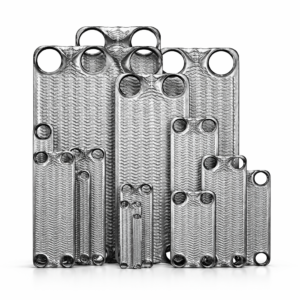
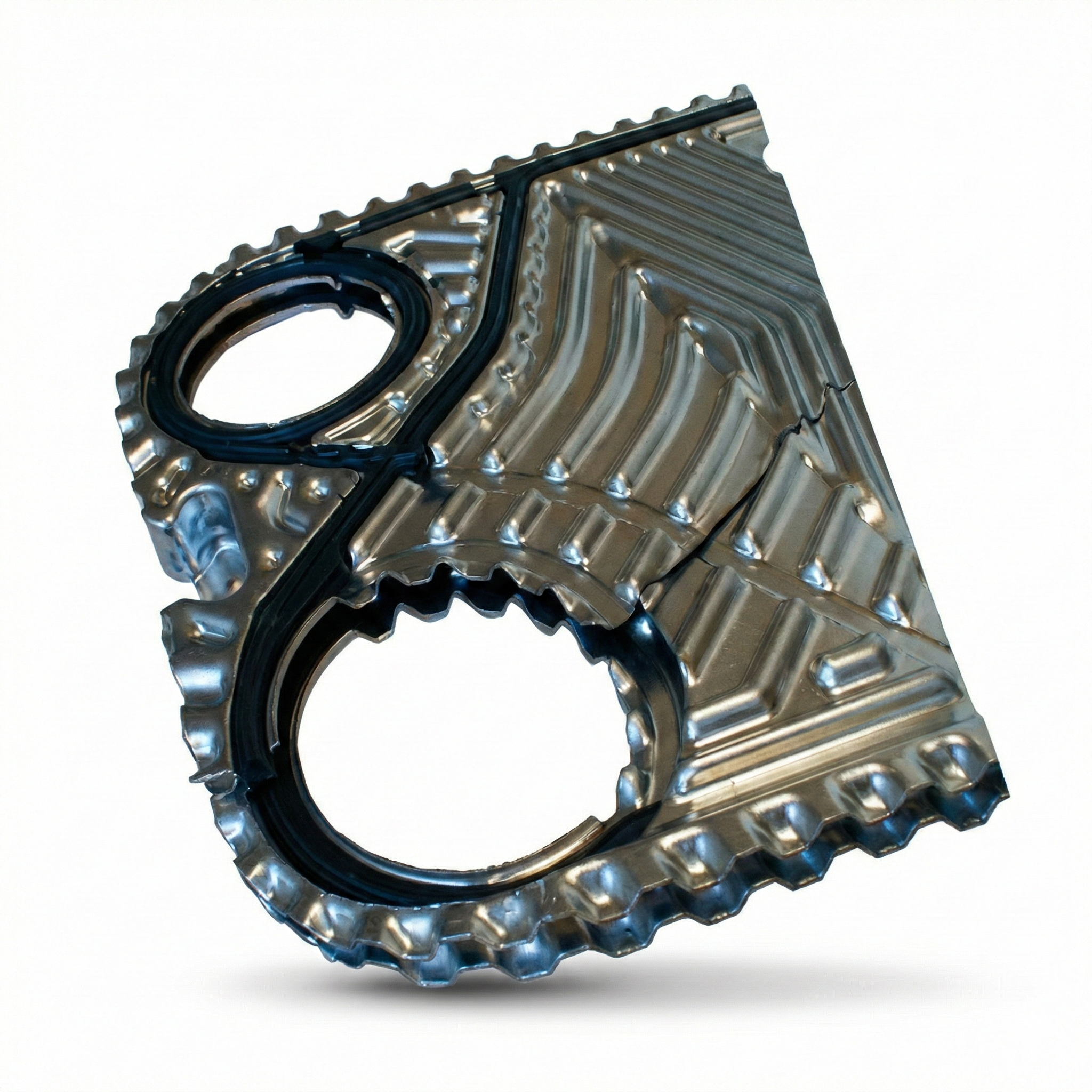
Safety Plates are industrial protective components designed to enhance structural reinforcement, load distribution, and personnel safety in mechanical, construction, and infrastructure applications, offering high resistance, durability, and reliable performance in demanding environments.
Safety Plates are engineered protective and reinforcement elements used to improve structural stability, distribute loads evenly, and increase operational safety in industrial and construction environments. Manufactured from high-strength materials such as steel or stainless steel, safety plates are designed to withstand mechanical stress, impact, and environmental exposure while maintaining long-term durability and structural integrity.
These plates are commonly used in machinery, structural assemblies, platforms, access systems, and safety installations where reinforcement and secure load support are required. Their robust construction ensures reliable performance under heavy loads, vibrations, and dynamic forces. Depending on the application, safety plates may feature anti-slip surfaces, perforations, or reinforced edges to enhance both safety and functional performance.
Main Features of Safety Plates
Technical Specifications of Safety Plates
Uses and Applications of Safety Plates
Recommendations for Installation and Use
Frequently Asked Questions about Safety Plates
What are Safety Plates used for?
Safety Plates are used to reinforce structural components, distribute loads, and improve safety in industrial, construction, and mechanical applications. They help prevent structural failure and enhance stability under mechanical stress.
What materials are Safety Plates typically made from?
They are commonly manufactured from carbon steel, stainless steel, or treated alloys depending on the application requirements, environmental exposure, and load conditions.
Are Safety Plates suitable for outdoor use?
Yes. When properly coated or made from corrosion-resistant materials such as stainless steel or galvanized steel, they perform reliably in outdoor and high-humidity environments.
Do Safety Plates require maintenance?
Maintenance is minimal but periodic inspection is recommended to check for corrosion, structural fatigue, or mechanical damage, especially in high-load or harsh environments.

Ask us on WhatsApp
Get a quote now