
Milk Reception System: Keys to an Efficient Dairy Plant
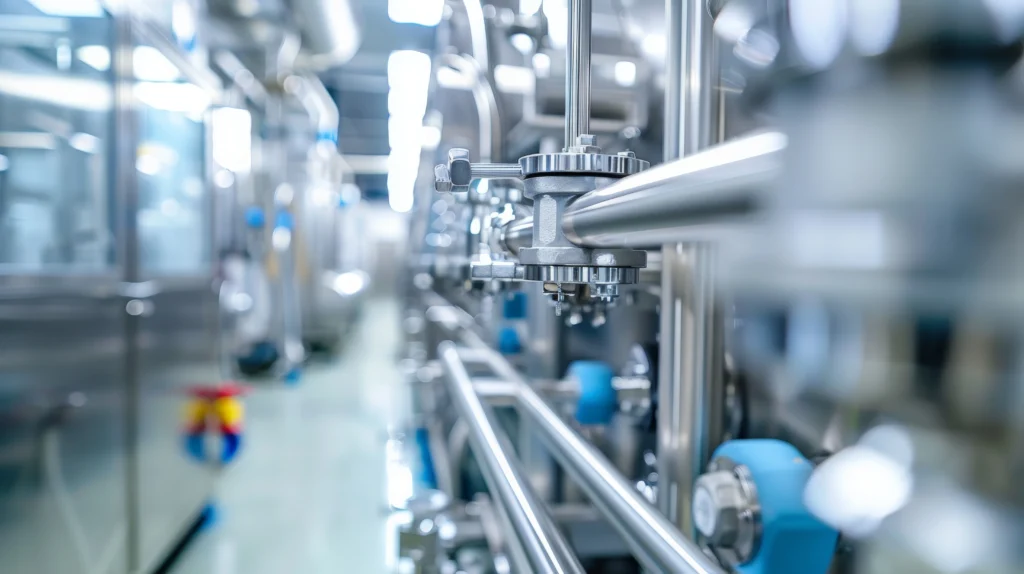
Everything that happens in a dairy plant depends on what happens at the front door. Raw milk arrives in tanker trucks or in churns, and within minutes it has to be unloaded, measured, checked for quality, and cooled. If that stage fails, the problems carry through the whole line: lower quality product, volume losses, and […]
Cream Separator: How It Works and Where It Is Used
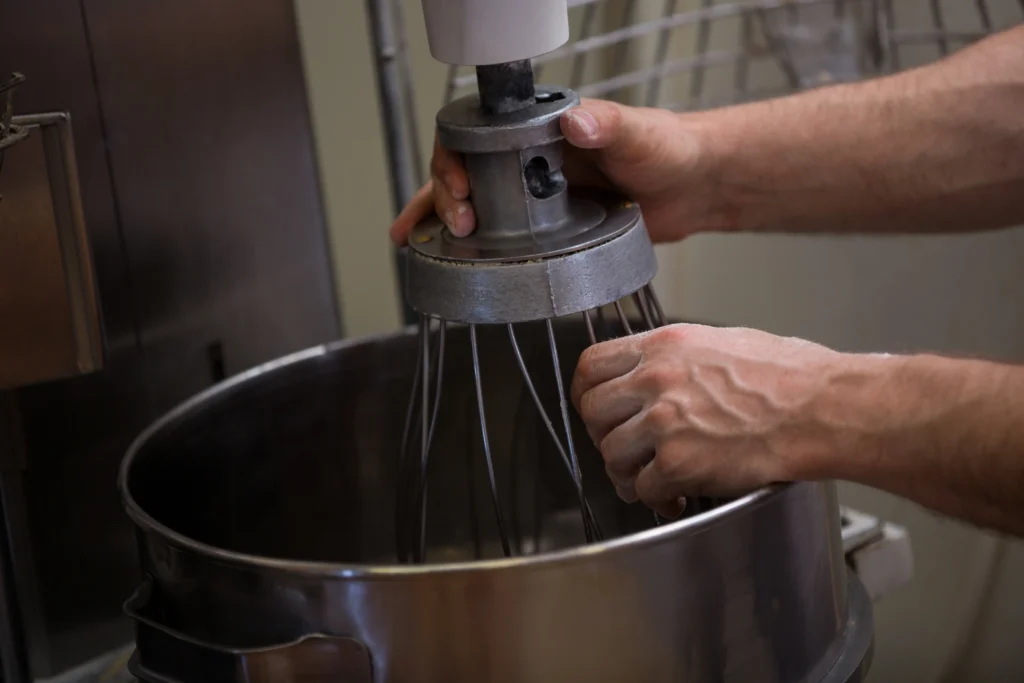
Raw milk is a mix of water, proteins, sugars, and fat globules. If it is left to rest, the fat rises to the surface and forms a layer of cream, a phenomenon known for centuries. In a dairy plant that natural process is far too slow, which is why a cream separator is used: a […]
Industrial Pipe Reducers: Function and Selection Criteria
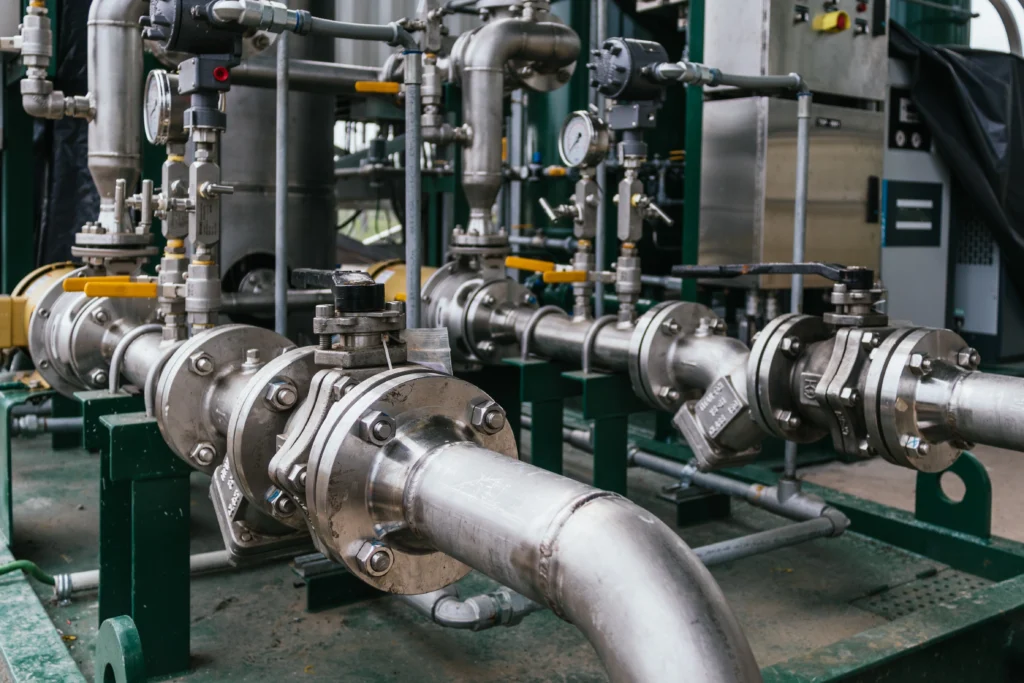
When a process line is designed, the pipe diameter is almost never the same from start to finish. A pump discharge, a heat exchanger inlet, or a tank connection often calls for sections smaller or larger than the rest of the circuit. The fitting that solves that transition is the reducer. In this article we […]
Pasteurization: Methods, Equipment, and Best Practices
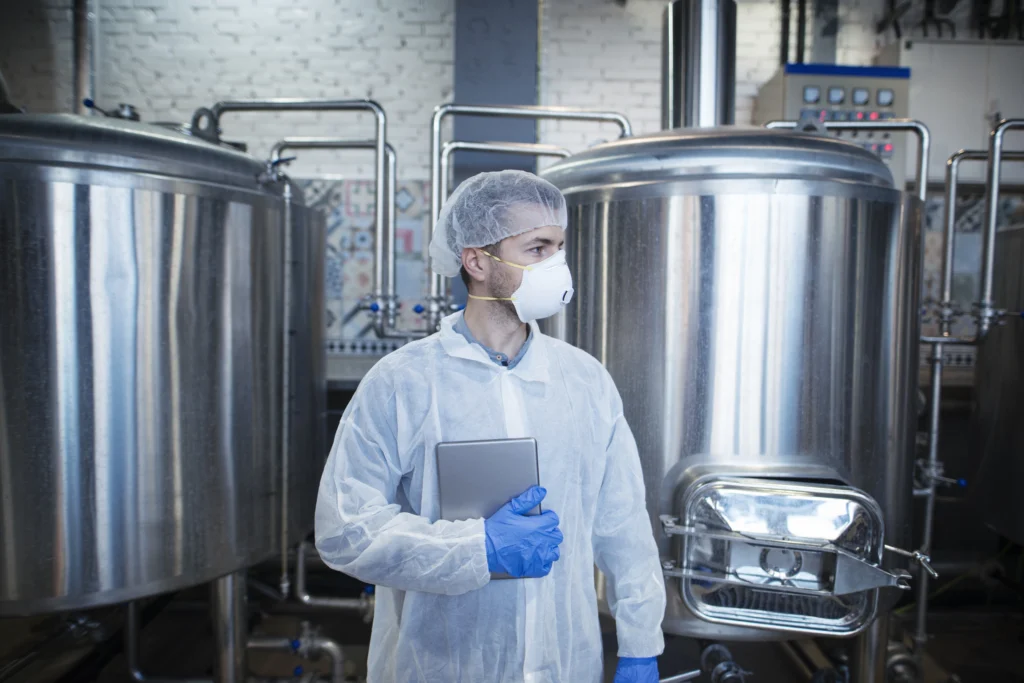
Pasteurization is one of the most decisive processes in the food industry: it largely defines the microbiological safety and shelf life of a product. However, not all products are pasteurized the same way, and choosing the wrong method can affect both safety and the sensory characteristics of the final product. In this article, we explain […]
Separation Machines: How to Optimize Solid-Liquid Separation in Your Plant
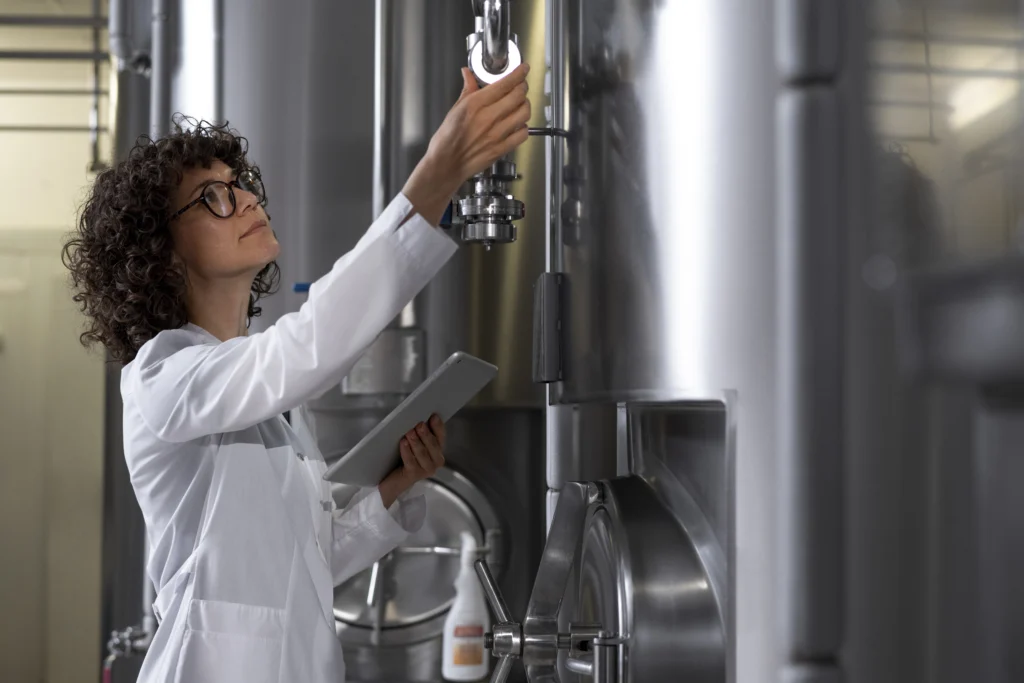
Many food and industrial processes need to separate components of different densities within the same product: solids from liquids, fats from whey, or impurities from the main product. Separation machines are the equipment specifically designed for this task, and choosing them correctly can make a significant difference in process performance and final product quality. In […]
What Is a Homogenizer and How Does It Improve Your Product Quality?
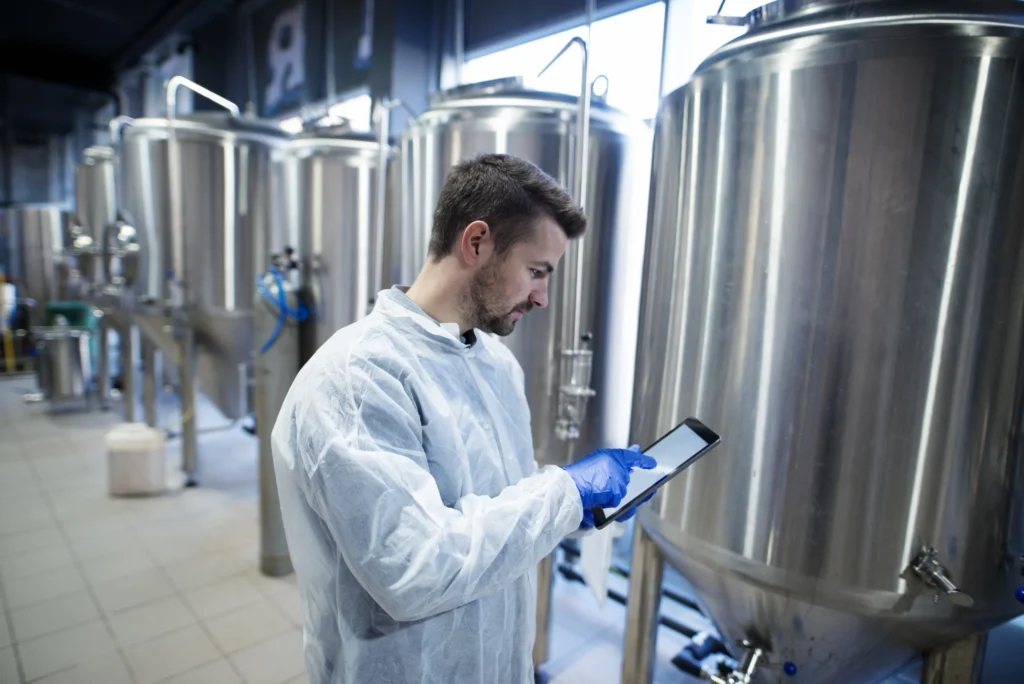
Many food products (milk, juices, sauces, creams) depend on a step the consumer never sees but that directly defines the product experience: homogenization. Without this process, fats tend to separate, texture becomes inconsistent, and shelf life is reduced. In this article, we explain what a homogenizer is, how it works, and why choosing it correctly […]
Preventive Maintenance Guide for Heat Exchangers
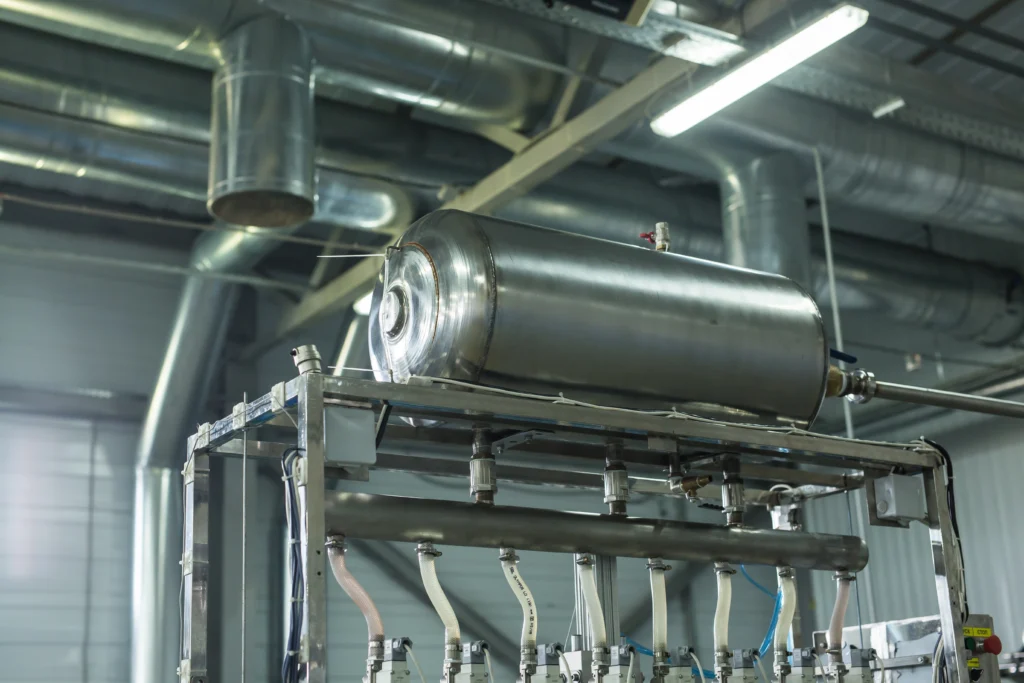
A well maintained heat exchanger can operate efficiently for many years. A neglected one, on the other hand, progressively loses thermal efficiency, increases the plant’s energy consumption, and eventually fails at the worst possible moment. The difference between these two scenarios almost always comes down to the preventive maintenance plan. In this guide, we explain […]
Elbows, Crosses, and Tees for Piping: Key Components in Sanitary Line Design
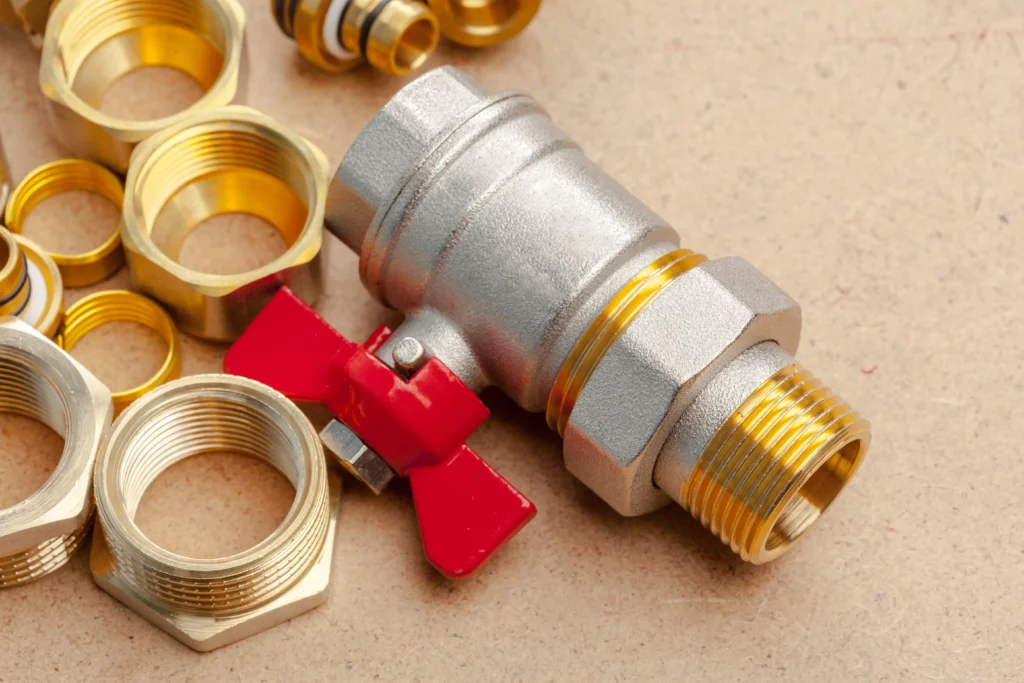
When thinking about the design of a process line, attention usually focuses on pumps, valves, or heat exchangers. However, piping fittings such as elbows, crosses, and tees play an equally important role: they define the circuit’s geometry, affect pressure loss, and determine how easy (or difficult) it will be to clean the line. In this […]
Industrial Valves: Types and Selection Criteria for Sanitary Lines
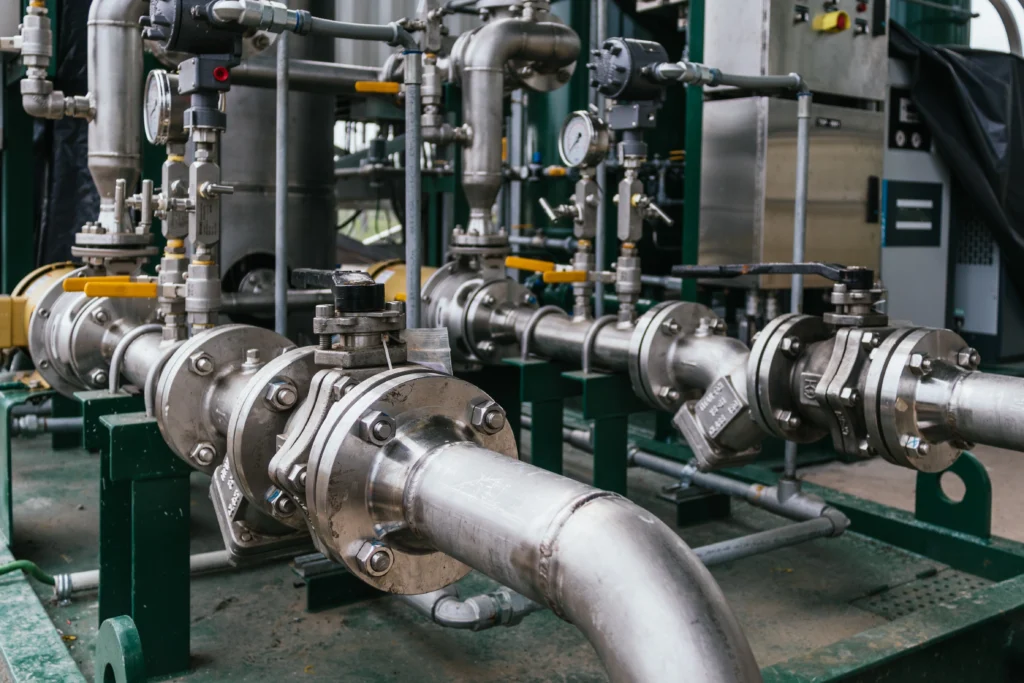
Valves are one of the most decisive components in the performance of a process line, even though they often receive less attention than more visible equipment like pumps or heat exchangers. An incorrectly selected valve can lead to pressure losses, contamination points, leaks, or even complete production shutdowns. In this article, we review the most […]
What is a CIP system and why is it key in the food industry?
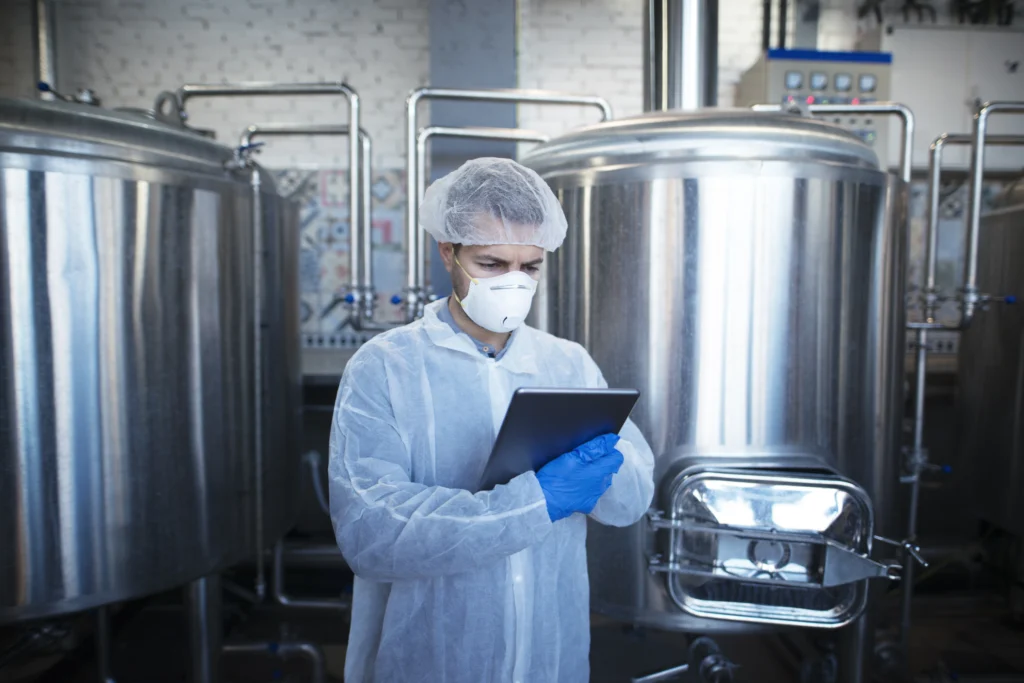
In the food industry, equipment cleaning is not a secondary step: it is part of the production process. A CIP (Clean in Place) system allows for the cleaning of pipes, tanks, and equipment without disassembly, reducing downtime and ensuring food safety standards required by sanitary regulations such as HACCP, GMP, or FSSC 22000. This article […]