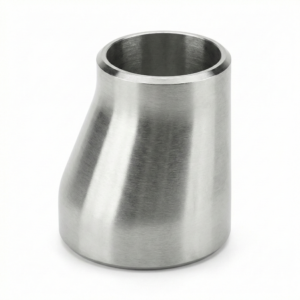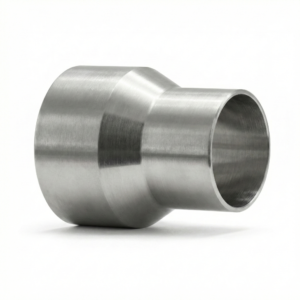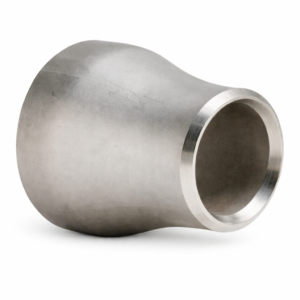
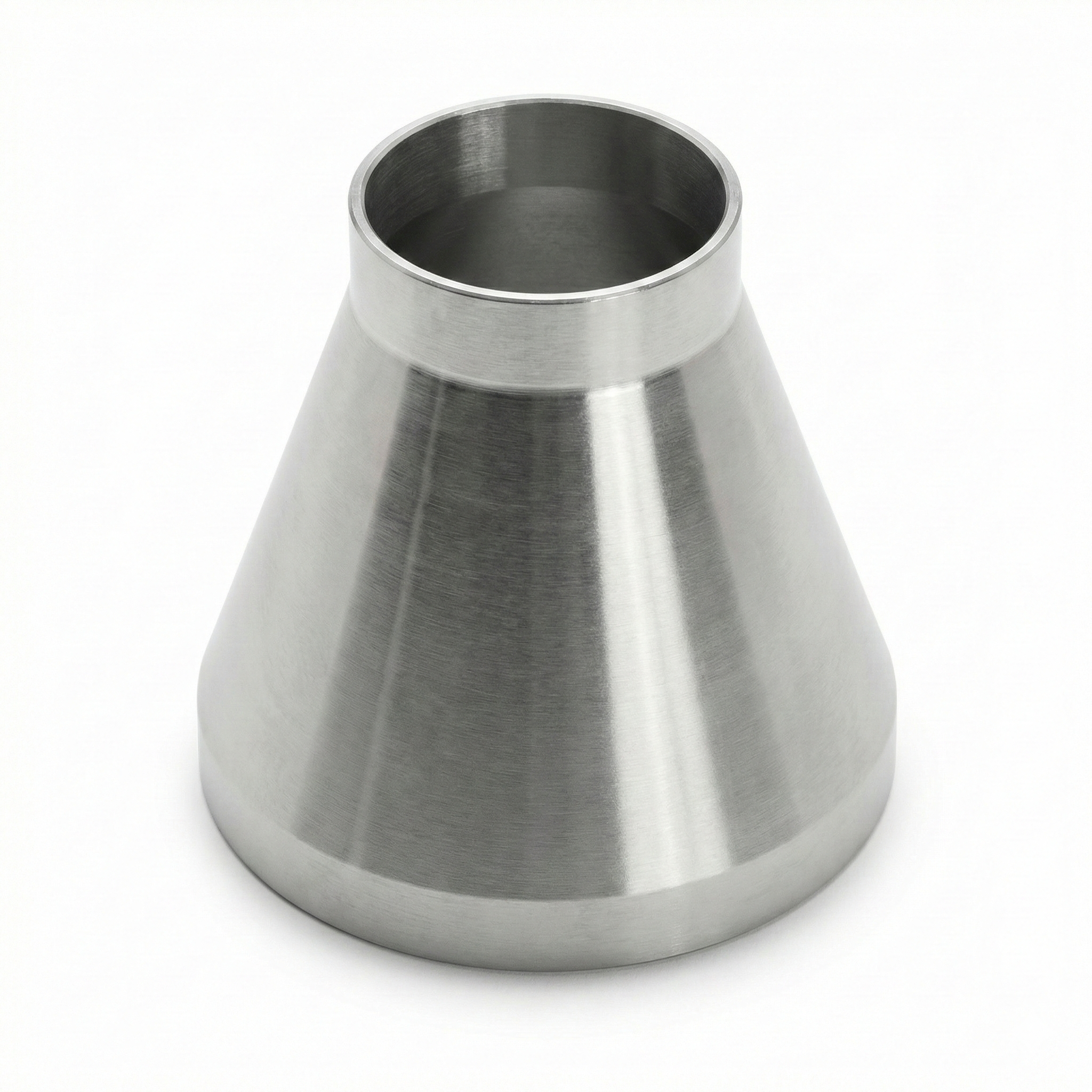
Reducers Conical, also known as Concentric Reducers, are symmetrical piping components used to join pipes of different diameters on the same centerline, ensuring a smooth transition for fluids in vertical and high-pressure lines.
The Reducer Conical is the most common fitting used to transition between two pipe sizes while maintaining a shared center axis. Its symmetrical, cone-like shape allows for a gradual change in fluid velocity, making it ideal for systems where maintaining a laminar flow is critical to prevent turbulence and pressure surges. These are the preferred choice for vertical pipelines where space and alignment are straightforward.
Technically, the Reducer Conical is engineered to handle significant hydraulic loads. Because the flow is centered, the mechanical stress is distributed evenly across the fitting’s walls. In sanitary applications, these reducers are manufactured using high-precision forging to ensure the internal transition is perfectly smooth, preventing “step” areas where product could accumulate or cause shear stress on sensitive biological fluids.
Available in a wide range of schedules and pressure ratings, our Reducers Conical are built from certified stainless steel (304/316L). They meet international standards for both industrial heavy-duty use and sterile pharmaceutical environments, providing a leak-proof and durable solution for any diameter-change requirement.
Key Features of Reducers Conical
Technical Specifications for Reducers Conical
Uses and Applications of Reducers Conical
Usage and Maintenance Recommendations for Reducers Conical
Frequently Asked Questions about Reducers Conical
When should I choose a Conical Reducer over an Eccentric one?
Choose a Conical (Concentric) reducer for vertical lines or anytime you need to keep the piping on the same centerline. Use them where drainage or air pockets are not a concern.
Does a conical reducer cause pressure drop?
Any change in diameter causes some friction, but the gradual slope of a conical reducer is designed to make that transition as efficient as possible compared to a sudden bush-style reduction.
Are they suitable for high-viscosity products?
Yes, the centered flow helps keep viscous products moving steadily without the “dead zones” that can occur in asymmetrical fittings.

Ask us on WhatsApp
Get a quote now