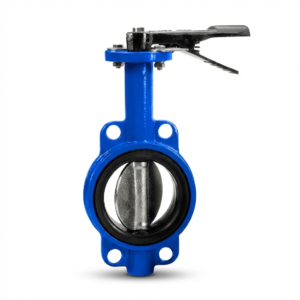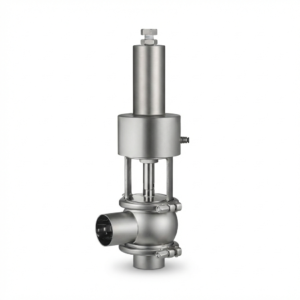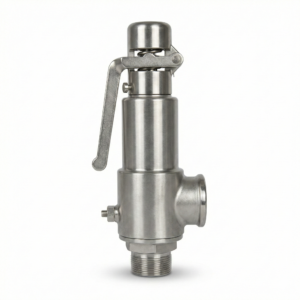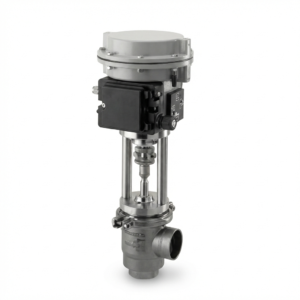

Description
Diaphragm Valve is a specialized industrial flow control device engineered to regulate, throttle, or completely shut off fluid flow through a flexible diaphragm that presses against a weir or seat within the valve body to control the flow passage. Unlike conventional valve designs, the diaphragm mechanism creates a complete physical separation between the process fluid and the valve actuating components, eliminating the risk of fluid contamination from stem packing, lubricants, or mechanical wear particles entering the process stream. This makes diaphragm valves an essential flow control solution in applications where fluid purity, containment reliability, and resistance to corrosive or aggressive media are critical operational requirements.
Constructed from robust metallic or thermoplastic body materials lined with corrosion-resistant coatings, and fitted with diaphragms manufactured from elastomeric compounds including EPDM, NBR, PTFE, and neoprene, diaphragm valves deliver dependable sealing performance across a wide range of process fluids, temperatures, and operating pressures. Their straightforward two-component sealing design — body and diaphragm — minimizes internal parts, reduces potential leak paths, and simplifies maintenance compared to more mechanically complex valve configurations, making them a preferred choice for general industrial fluid control in chemical plants, water treatment facilities, mining operations, and process engineering installations.
Main Features of the Diaphragm Valve
- Complete fluid isolation: flexible diaphragm fully separates the process fluid from actuating components, preventing contamination and external leakage.
- Excellent chemical resistance: wide selection of diaphragm elastomers and body liner materials for compatibility with aggressive, corrosive, and abrasive process fluids.
- Reliable bubble-tight shut-off: diaphragm-to-weir seating provides consistent zero-leakage closure across the full operating pressure range.
- Throttling and flow control capability: precise diaphragm positioning enables accurate modulation of flow rate between fully open and fully closed positions.
- Minimal maintenance design: few internal moving parts reduce wear, simplify inspection, and lower long-term maintenance costs.
- Available in manual and actuated configurations: compatible with handwheel, pneumatic, and electric actuators for manual or automated process control.
Technical Specifications of the Diaphragm Valve
- Type: weir-type or straight-through diaphragm valve for industrial fluid control.
- Body material: cast iron, ductile iron, stainless steel, PVC, PP, or PVDF with rubber or PTFE lining as required.
- Diaphragm material: EPDM, NBR, natural rubber, PTFE, neoprene, or other elastomers based on fluid compatibility.
- Actuation: manual handwheel, pneumatic actuator, or electric actuator depending on application requirements.
- Pressure rating: suitable for low to medium industrial operating pressures per applicable valve standards.
- Application range: chemical processing, water and wastewater treatment, mining, pulp and paper, pharmaceutical, and general industrial fluid control.
Uses and Applications of the Diaphragm Valve
- Chemical and petrochemical processing: isolation and control of corrosive acids, bases, solvents, and aggressive chemical process streams.
- Water and wastewater treatment: flow control and shut-off in potable water, industrial water treatment, and effluent handling systems.
- Mining and mineral processing: handling of abrasive slurries, tailings, and aggressive chemical reagent streams in mineral extraction circuits.
- Pulp and paper industry: control of corrosive bleaching chemicals, process liquors, and fibrous slurry streams in paper manufacturing operations.
- Pharmaceutical and bioprocessing: sterile and clean fluid control where complete isolation of process fluid from valve internals is required.
- General industrial utilities: flow regulation of cooling water, compressed air, steam condensate, and other utility fluid streams in industrial facilities.
Recommendations for Installation and Use
- Select diaphragm material based on full chemical compatibility with the process fluid, operating temperature range, and required service life to prevent premature diaphragm failure.
- Install the valve in the correct orientation — weir-type diaphragm valves should be installed with the weir positioned to allow full drainage and avoid fluid accumulation in low-flow or shutdown conditions.
- Avoid over-tightening the handwheel or actuator beyond the fully closed position, as excessive compressive force accelerates diaphragm wear and reduces service life.
- Inspect the diaphragm at scheduled maintenance intervals for signs of cracking, swelling, delamination, or chemical attack, and replace before visible failure occurs to prevent process leakage.
- Verify actuator sizing and supply pressure for pneumatically actuated units to ensure reliable and complete diaphragm actuation across the full operating pressure differential of the application.
Frequently Asked Questions about the Diaphragm Valve
What is a Diaphragm Valve used for?
It is used to control, throttle, or completely shut off fluid flow in industrial piping systems where reliable sealing, chemical resistance, and isolation of the process fluid from valve actuating components are essential. Diaphragm valves are particularly valued in applications involving corrosive, abrasive, or contamination-sensitive process fluids in chemical, water treatment, mining, and general industrial environments.
How does a Diaphragm Valve work?
The valve controls flow by compressing a flexible diaphragm against an internal weir or seat within the valve body. When the handwheel or actuator is turned to close, the diaphragm is pressed down onto the weir, sealing the flow passage completely. Opening the valve lifts the diaphragm away from the weir, allowing fluid to flow through. The diaphragm physically separates the fluid from all actuating components throughout the full operating cycle.
What is the difference between a weir-type and a straight-through diaphragm valve?
A weir-type diaphragm valve has a raised internal weir over which the diaphragm seals, requiring less diaphragm travel and stress to achieve shut-off, making it the most common configuration for general industrial service. A straight-through diaphragm valve has a flat body with no internal weir, allowing the diaphragm to travel further to achieve full closure — this design offers lower flow resistance and better drainage, making it preferred for slurry, viscous fluid, and full-bore flow applications.
How often should the diaphragm be replaced?
Diaphragm replacement intervals depend on operating pressure, temperature, cycle frequency, and chemical aggressiveness of the process fluid. As a general guideline, diaphragms should be inspected at every scheduled maintenance shutdown and replaced proactively if any signs of surface cracking, chemical attack, loss of elasticity, or mechanical deformation are detected — before visible failure or process leakage occurs.