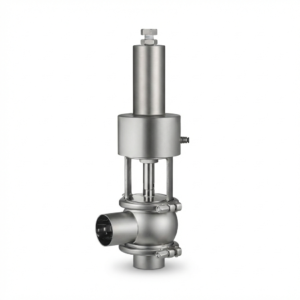
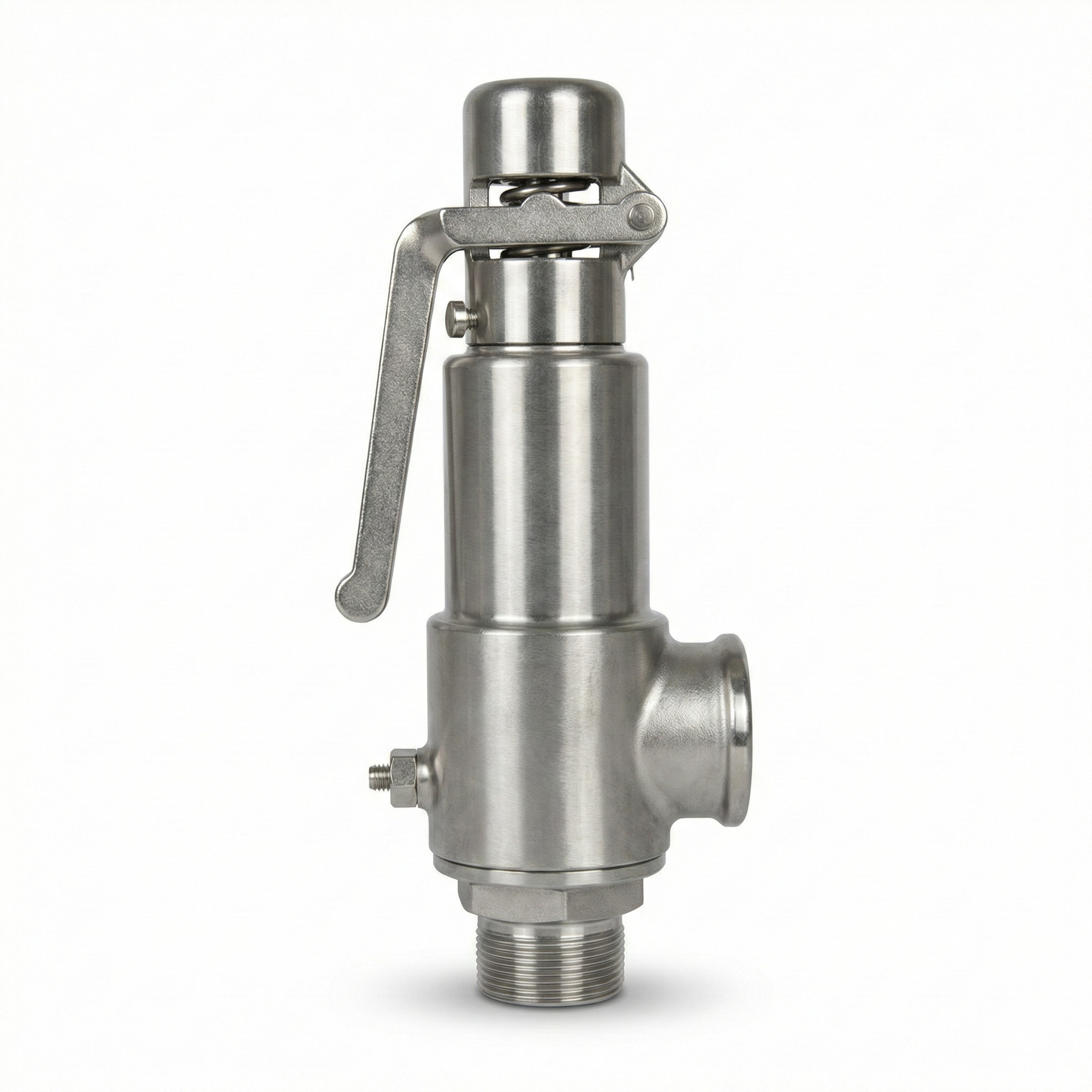
Relief Valve is a critical industrial safety device designed to automatically release excess pressure from piping systems, vessels, and process equipment when operating pressure exceeds a predetermined set point, offering reliable overpressure protection, fast pressure response, and robust industrial construction in chemical, oil and gas, power generation, and general industrial process safety applications.
Relief Valve is an essential industrial safety valve engineered to protect piping systems, pressure vessels, heat exchangers, pumps, and process equipment from the damaging and potentially hazardous consequences of overpressure events. When system pressure rises above the valve’s preset threshold, the relief valve automatically opens to discharge excess fluid — liquid, gas, or steam — and rapidly restore operating pressure to within safe design limits, closing again once normal pressure is reestablished. As a passive, self-actuating safety device requiring no external power or operator intervention, the relief valve represents the last line of mechanical defense against catastrophic overpressure failure in industrial process systems.
Manufactured from carbon steel, stainless steel, and other pressure-rated alloys in compliance with international pressure equipment and safety valve standards, relief valves are precision-set and tested to open at a specific pressure and reseat reliably once safe operating conditions are restored. Their spring-loaded direct-acting mechanism delivers fast, repeatable pressure response without dependence on external control systems or instrumentation, ensuring overpressure protection remains active and effective even during power failures, control system faults, or other abnormal process conditions that could compromise active pressure management systems.
Main Features of the Relief Valve
Technical Specifications of the Relief Valve
Uses and Applications of the Relief Valve

Ask us on WhatsApp
Get a quote now