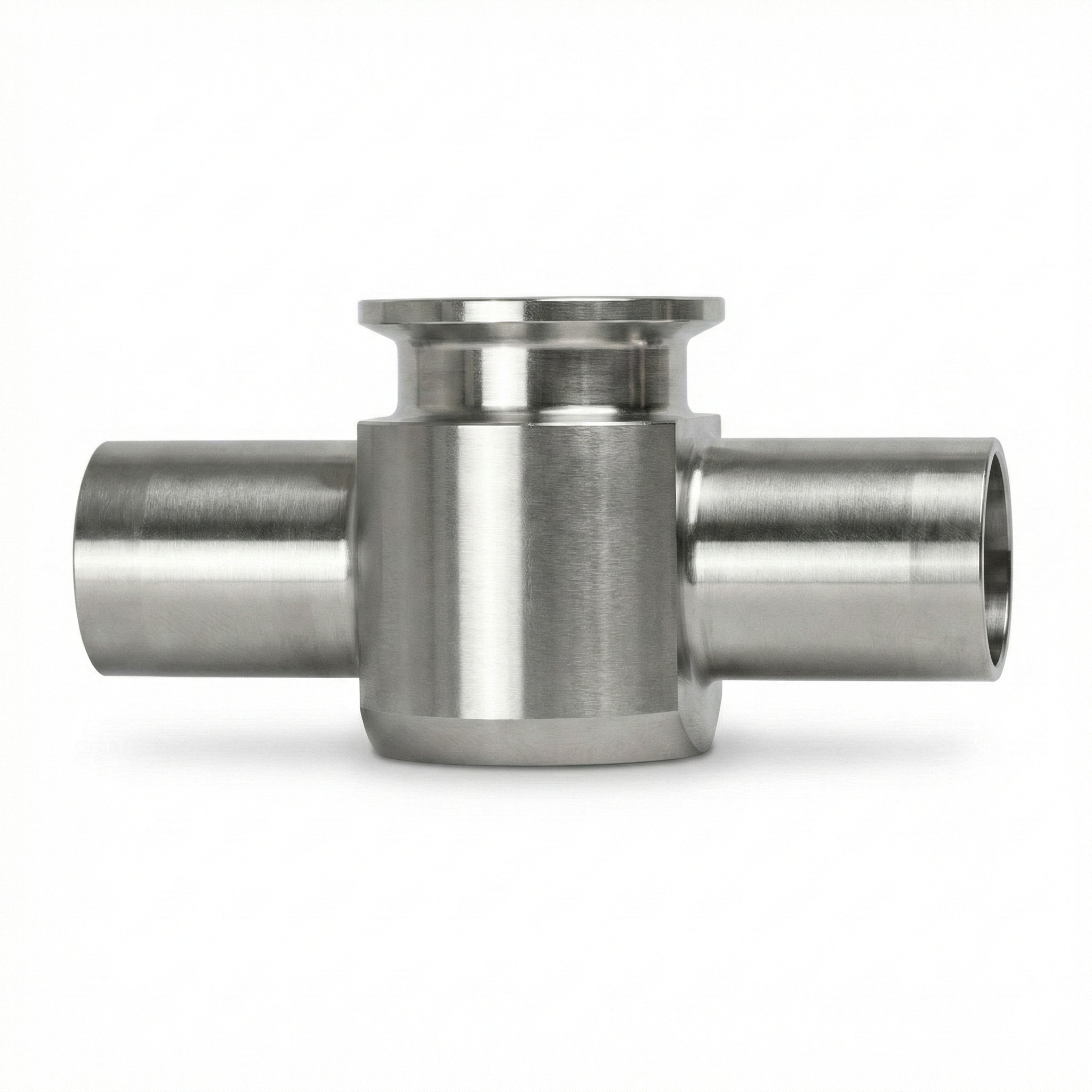
Description
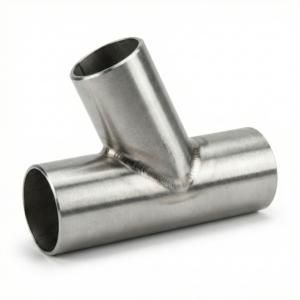
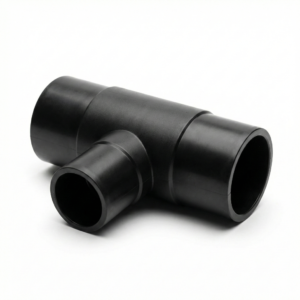
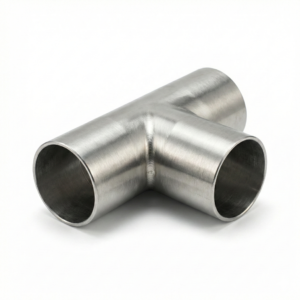
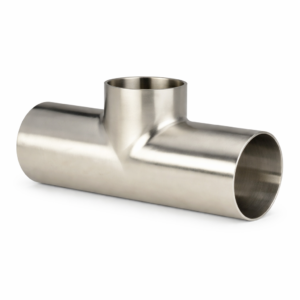
Instrument Tees are specialized pipe fittings engineered to provide a dedicated three-way junction that simultaneously maintains continuous process flow through the main pipe run while offering a perpendicular branch connection specifically sized and configured for the installation of instrumentation devices such as pressure gauges, temperature transmitters, flow meters, sample valves, and other process measurement equipment. By integrating instrumentation access directly into the piping layout, instrument tees eliminate the need for additional weld-on bosses, saddle fittings, or improvised connection points, resulting in cleaner, more reliable, and more maintainable process measurement installations.
Manufactured from stainless steel, carbon steel, and other process-compatible alloys with precise dimensional control and consistent wall thickness, instrument tees are built to maintain full pressure and mechanical integrity at the branch connection point where instrumentation is installed. Their standardized end connections and instrument port configurations ensure compatibility with a broad range of process instruments, piping standards, and installation codes, making them a fundamental component in the design of safe, accurate, and compliant process measurement and control systems across general industrial and process engineering applications.
Main Features of Instrument Tees
- Dedicated instrumentation access: purpose-designed branch outlet provides a clean, reliable connection point for process measurement and control devices.
- Full pressure integrity: precision-machined body maintains structural and sealing performance at both the main run and instrument branch connections.
- Standardized instrument port sizing: branch outlet dimensioned to accommodate standard instrumentation fittings, threads, and compression connections.
- Wide material compatibility: available in stainless steel, carbon steel, and specialty alloys to suit process fluid, temperature, and corrosion resistance requirements.
- Simplified installation: eliminates the need for weld-on bosses or field-fabricated instrument connections, reducing installation time and potential leak points.
- Multiple end connection options: available in threaded, butt-weld, socket-weld, and compression configurations for broad process piping compatibility.
Technical Specifications of Instrument Tees
- Type: instrument tee pipe fitting with dedicated process instrumentation branch outlet.
- Material: stainless steel, carbon steel, duplex alloys, or other process-compatible metals.
- End connections: threaded (NPT/BSP), butt-weld, socket-weld, or compression fitting configurations.
- Instrument port: standardized branch sizing compatible with common process instrumentation connection standards.
- Pressure rating: designed to meet applicable industrial piping and instrumentation pressure codes and standards.
- Application range: process control systems, chemical plants, oil and gas, power generation, water treatment, and general industrial instrumentation installations.
Uses and Applications of Instrument Tees
- Pressure measurement: providing secure, leak-proof connection points for pressure gauges, transmitters, and pressure switches in process piping systems.
- Temperature sensing: integrating thermowells, temperature transmitters, and RTD or thermocouple assemblies directly into process pipework.
- Flow measurement: creating reliable tap points for differential pressure flow meters, pitot tubes, and other inline flow sensing devices.
- Process sampling: installing sample valves and sample probes for manual or automated process fluid analysis and quality control.
- Chemical and petrochemical plants: instrumentation access in high-pressure and high-temperature process piping systems handling aggressive or hazardous fluids.
- Water and utilities: integrating measurement and monitoring instruments into water treatment, steam distribution, and utility fluid piping networks.
Recommendations for Installation and Use
- Select instrument tee material, pressure rating, and end connection type based on the specific process fluid, operating temperature, pressure, and applicable piping code requirements.
- Ensure the instrument branch port is correctly oriented — typically vertical or horizontal as required by the instrument type — to guarantee accurate measurement and prevent air pockets or sediment accumulation at the sensing point.
- Use appropriate thread sealant, compression ferrules, or welding procedures on all connections to achieve a fully leak-proof assembly at both the main run and instrument branch joints.
- Install isolation valves between the instrument tee branch and the connected instrument to allow safe removal, calibration, or replacement of instrumentation without interrupting process flow.
- Inspect instrument branch connections regularly for signs of leakage, corrosion, or mechanical stress, particularly in systems subject to thermal cycling, vibration, or aggressive process media.
Frequently Asked Questions about Instrument Tees
What are Instrument Tees used for?
They are used to integrate process instrumentation — such as pressure gauges, temperature sensors, flow meters, and sample valves — directly into piping systems through a dedicated, purpose-designed branch connection. Instrument tees provide a cleaner, more reliable, and more maintainable alternative to field-fabricated or improvised instrumentation connection methods in industrial and process engineering applications.
How do Instrument Tees differ from standard or reducing tees?
While standard and reducing tees are designed for general flow branching and pipe size transitions, instrument tees feature a branch outlet specifically dimensioned and configured for the connection of process measurement and control devices. Their port sizing, thread specification, and dimensional standards are matched to instrumentation fitting requirements rather than general process piping flow capacities.
What instruments can be connected to an Instrument Tee?
Instrument tees are compatible with a wide range of process measurement devices including pressure gauges, pressure transmitters, pressure switches, thermowells, temperature transmitters, sample valves, chemical injection quills, and differential pressure taps. The specific instrument compatibility depends on the branch port size, thread type, and pressure rating of the selected instrument tee.
Do Instrument Tees require isolation valves?
Installing an isolation valve between the instrument tee branch and the connected instrument is strongly recommended in most process applications. Isolation valves allow instruments to be safely removed, calibrated, or replaced under live process conditions without shutting down the main piping system, improving operational flexibility and reducing maintenance-related process downtime.