Description
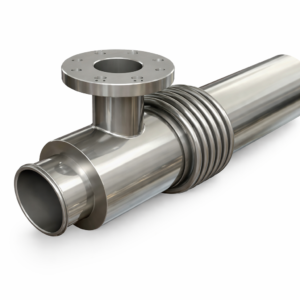
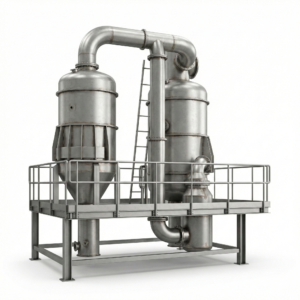
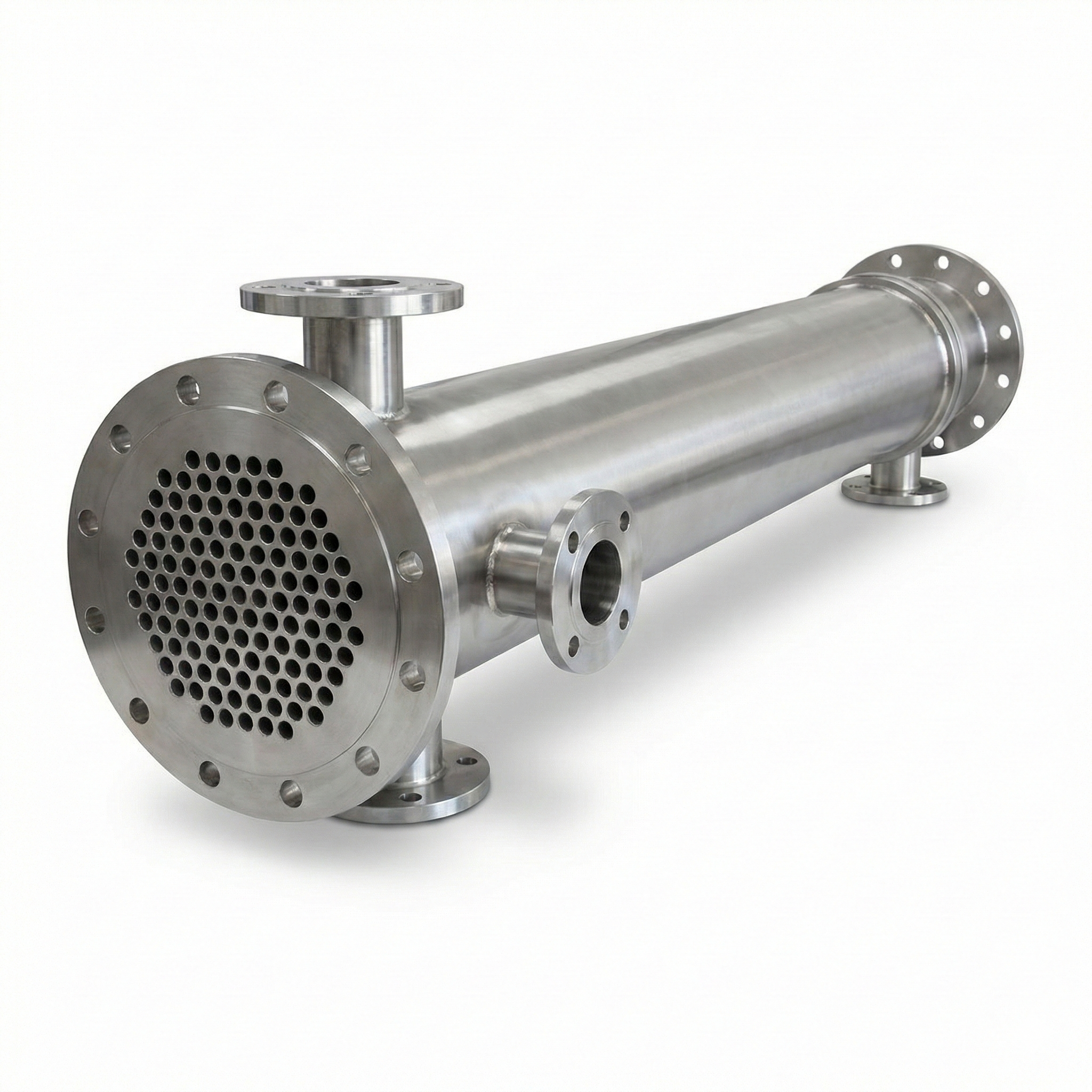
Shell and Tube Heat Exchangers are one of the most widely used thermal transfer solutions in industrial applications, engineered to transfer heat between two fluids through a series of tubes housed inside a cylindrical shell. This configuration allows one fluid to circulate through the tubes while another flows around them within the shell, enabling efficient heat exchange under high-pressure and high-temperature conditions.
Designed for reliability and long operational life, shell and tube heat exchangers are ideal for heavy-duty environments where mechanical strength and thermal stability are essential. Their rugged construction supports large flow volumes and demanding process requirements, making them a preferred solution across power generation, chemical processing, oil and gas, and manufacturing industries.
Main Features of Shell and Tube Heat Exchangers
- High mechanical strength: suitable for extreme pressure and temperature conditions.
- Versatile configuration: adaptable to heating, cooling, condensation, and evaporation processes.
- Large heat transfer capacity: designed for high-flow industrial operations.
- Durable construction: resistant to corrosion and mechanical stress.
- Easy maintenance: tube bundles can be inspected or replaced.
- Long service life: optimized for continuous industrial operation.
Technical Specifications of Shell and Tube Heat Exchangers
- Type: shell-and-tube heat exchanger system.
- Construction materials: carbon steel, stainless steel, copper alloys, or special metals.
- Flow arrangement: counter-flow, parallel-flow, or cross-flow.
- Tube configuration: straight or U-tube bundle design.
- Operating pressure: suitable for medium to very high-pressure applications.
- Temperature capability: compatible with high-temperature industrial processes.
Uses and Applications of Shell and Tube Heat Exchangers
- Oil and gas industry: crude oil cooling and refinery processing.
- Chemical and petrochemical plants: reactor temperature control.
- Power generation: condensers and boiler systems.
- Industrial manufacturing: process heating and cooling.
- Marine applications: engine cooling systems.
- Water treatment plants: thermal energy recovery.
Recommendations for Installation and Use
- Ensure proper alignment and mechanical support during installation.
- Select materials compatible with working fluids and corrosion conditions.
- Perform periodic inspection of tube bundles to prevent fouling.
- Maintain adequate flow rates to optimize thermal efficiency.
- Schedule routine cleaning to extend equipment lifespan.
Frequently Asked Questions about Shell and Tube Heat Exchangers
What are Shell and Tube Heat Exchangers used for?
They are used for large-scale industrial heat transfer processes including cooling, heating, condensation, and evaporation in demanding operating environments.
Why are they preferred in heavy industries?
Their strong mechanical design allows safe operation under high pressures, temperatures, and large fluid volumes.
Can they handle corrosive fluids?
Yes, material selection can be customized using corrosion-resistant alloys depending on process requirements.
Do they require maintenance?
Periodic inspection and cleaning of tube bundles are recommended to maintain optimal performance and efficiency.