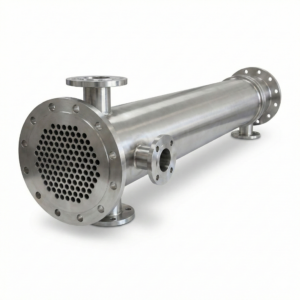
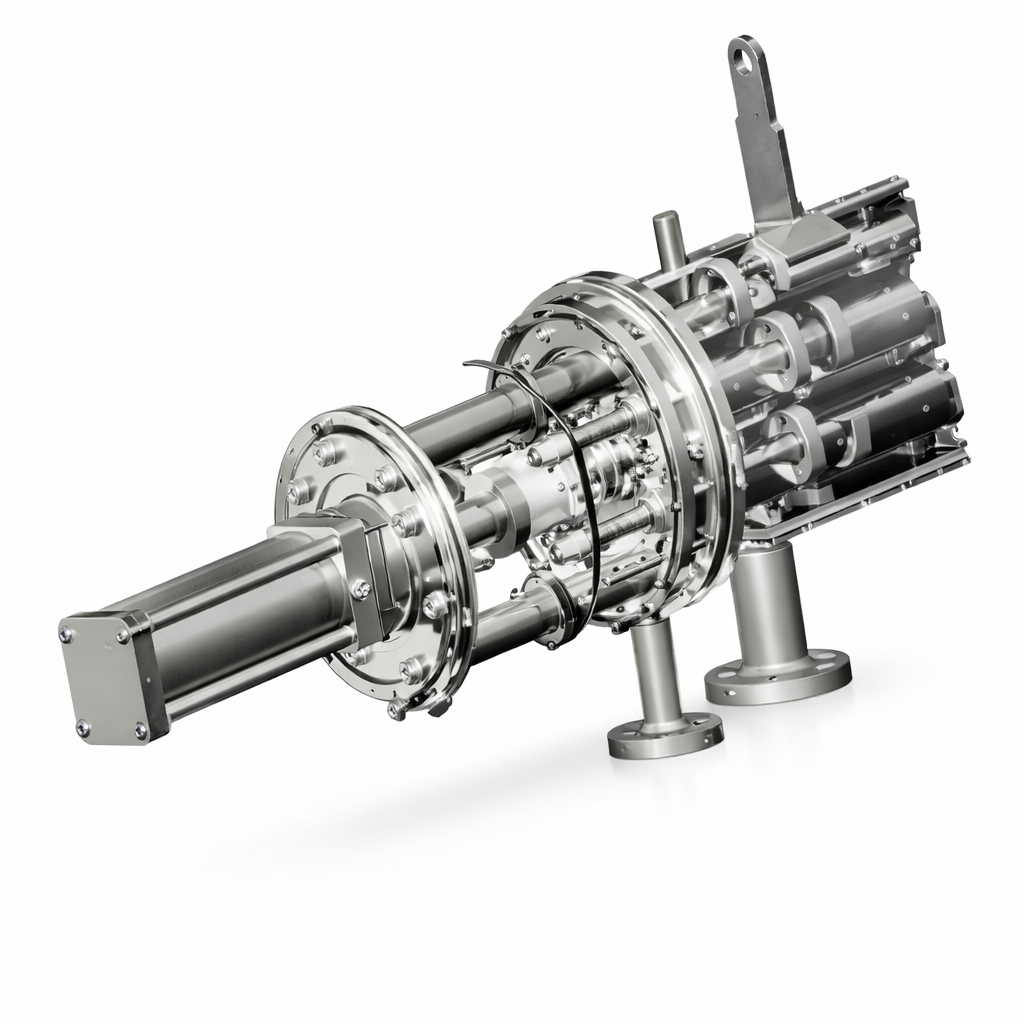
Scraped Surface Heat Exchangers are specialized thermal processing systems designed to efficiently transfer heat in viscous, sticky, or crystallizing products using rotating scraper blades that continuously remove fouling from heat transfer surfaces.
Scraped Surface Heat Exchangers are advanced heat transfer systems specifically engineered for processing highly viscous, sticky, or temperature-sensitive products. These exchangers utilize rotating scraper blades that continuously remove product buildup from the internal heat transfer surface, ensuring consistent thermal efficiency and uninterrupted operation.
Unlike conventional heat exchangers, scraped surface units prevent fouling, burning, or crystallization by maintaining constant product movement along the heated or cooled surface. This design allows precise temperature control while preserving product quality, making them essential in food processing, pharmaceutical manufacturing, and specialty chemical industries.
Main Features of Scraped Surface Heat Exchangers
Technical Specifications of Scraped Surface Heat Exchangers
Uses and Applications of Scraped Surface Heat Exchangers
Recommendations for Installation and Use
Frequently Asked Questions about Scraped Surface Heat Exchangers
What products require Scraped Surface Heat Exchangers?
They are ideal for viscous, sticky, or crystallizing products that tend to foul traditional heat exchanger surfaces.
How do scraper blades improve performance?
The rotating blades continuously remove buildup, maintaining efficient heat transfer and preventing overheating.
Are they suitable for food processing?
Yes, sanitary stainless steel construction makes them ideal for hygienic food and pharmaceutical applications.
Do they reduce downtime?
Yes, continuous surface cleaning minimizes fouling and reduces cleaning shutdown intervals.

Ask us on WhatsApp
Get a quote now