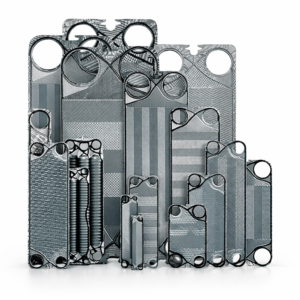
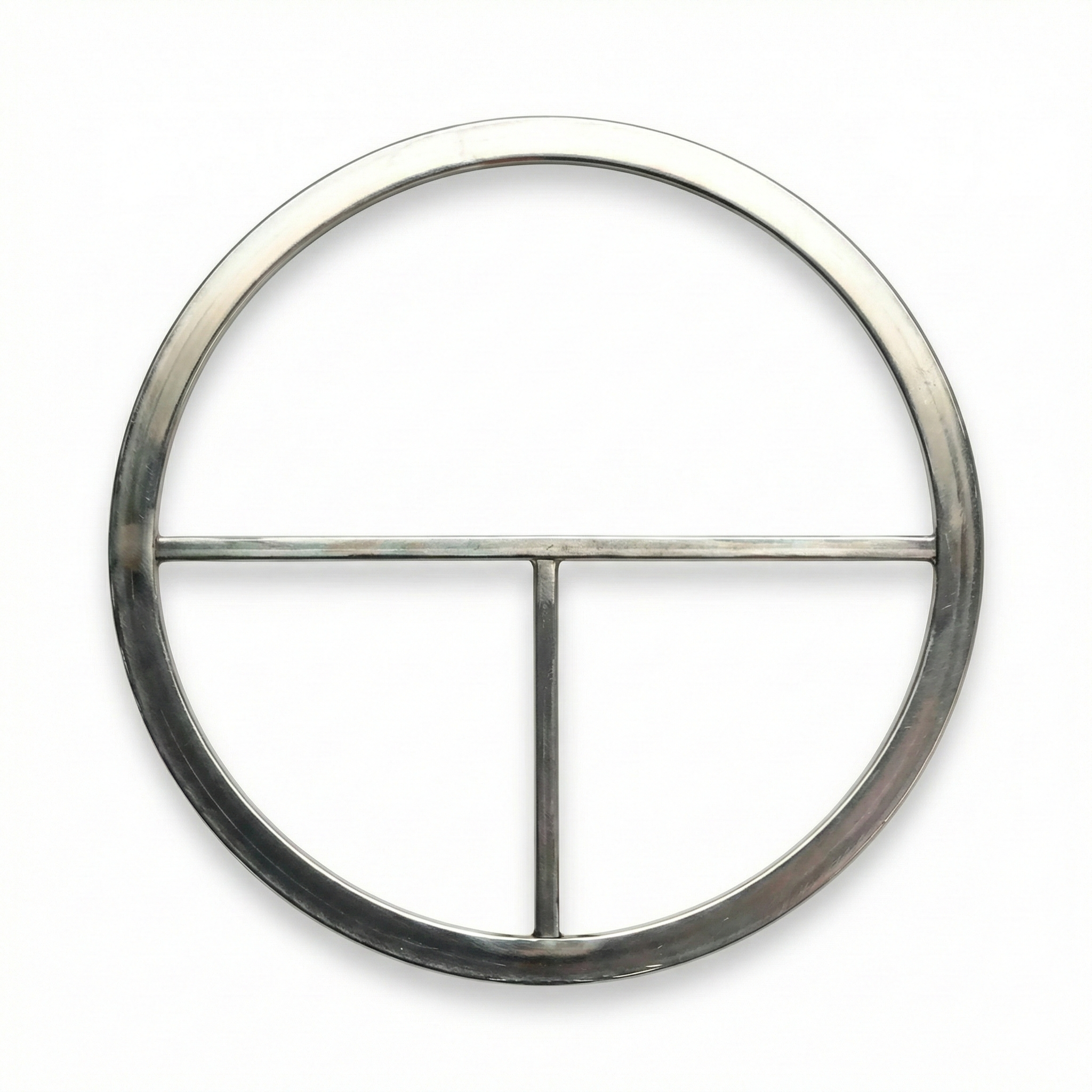
Gaskets are essential sealing components designed to prevent fluid leakage and maintain pressure integrity between mating surfaces in heat exchangers, offering reliable sealing performance, chemical resistance, and long service life in industrial, petrochemical, and HVAC replacement and maintenance applications.
Gaskets are critical heat exchanger replacement parts engineered to create a pressure-tight, leak-proof seal between two mating flanged or plated surfaces, preventing fluid bypass and maintaining the thermal and mechanical integrity of the heat exchanger system. Used extensively as replacement components in plate heat exchangers, shell and tube units, and double pipe configurations, gaskets ensure continued operational efficiency and safe containment of process fluids throughout the service life of the equipment. Selecting the correct replacement gasket is essential to avoiding costly process shutdowns, fluid contamination, and premature equipment failure.
Manufactured from a wide range of engineered materials — including EPDM, NBR (nitrile), PTFE, neoprene, compressed fiber, and spiral wound metal — replacement gaskets for heat exchangers are designed to withstand the specific chemical, thermal, and mechanical demands of each application. The correct material selection ensures compatibility with process fluids such as steam, aggressive chemicals, oils, refrigerants, and food-grade liquids, while maintaining sealing integrity under cyclic pressure and temperature fluctuations common in industrial heat transfer systems.
Main Features of Gaskets for Heat Exchangers
Technical Specifications of Gaskets for Heat Exchangers
Uses and Applications of Gaskets for Heat Exchangers
Recommendations for Installation and Use
Frequently Asked Questions about Gaskets for Heat Exchangers
What are Heat Exchanger Gaskets used for?
They are used to create a leak-proof seal between mating surfaces in plate, shell and tube, and double pipe heat exchangers. As replacement parts, they restore sealing performance and prevent fluid leakage, cross-contamination, and pressure loss in industrial and commercial thermal systems.
How do I know which gasket material to choose?
Material selection depends on the process fluid, operating temperature, and system pressure. EPDM is common for water and steam, NBR suits oils and fuels, PTFE is preferred for aggressive chemicals, and metallic types are used for extreme pressure and temperature conditions.
How often should heat exchanger gaskets be replaced?
Replacement intervals depend on operating conditions, fluid aggressiveness, and thermal cycling frequency. As a general guideline, gaskets should be inspected during every scheduled maintenance shutdown and replaced if signs of compression set, cracking, swelling, or leakage are detected.
Can gaskets be reused after disassembly?
In most cases, gaskets should not be reused after disassembly. Once compressed and exposed to thermal cycling, elastomeric gaskets lose their ability to form a reliable seal when reinstalled. Replacing with new gaskets during maintenance is strongly recommended to ensure system integrity.

Ask us on WhatsApp
Get a quote now