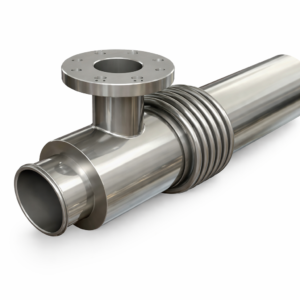

Brazed Plate Heat Exchangers are compact, high-performance heat transfer units designed to efficiently exchange heat between fluids using brazed stainless steel plates, providing maximum thermal efficiency, leak-free operation, and maintenance-free performance for HVAC, refrigeration, and industrial applications.
Brazed Plate Heat Exchangers are compact and highly efficient thermal transfer devices engineered to transfer heat between two fluid circuits through a series of permanently brazed stainless steel plates. Unlike gasketed plate exchangers, these units are vacuum-brazed using copper or nickel filler material, creating a sealed, durable, and maintenance-free heat exchanger ideal for demanding industrial and commercial environments.
The brazed construction eliminates the need for gaskets or mechanical sealing components, allowing brazed plate heat exchangers to operate under high pressure and temperature conditions while maintaining exceptional thermal performance. The corrugated plate design increases turbulence within the fluid channels, maximizing heat transfer efficiency while minimizing energy consumption and installation space.
Main Features of Brazed Plate Heat Exchangers
Technical Specifications of Brazed Plate Heat Exchangers
Uses and Applications of Brazed Plate Heat Exchangers
Recommendations for Installation and Use
Frequently Asked Questions about Brazed Plate Heat Exchangers
What are Brazed Plate Heat Exchangers used for?
They are used for efficient heat transfer in HVAC, refrigeration, heat pump systems, and industrial cooling or heating applications where compact size and high efficiency are required.
How do Brazed Plate Heat Exchangers work?
Heat is transferred through thin stainless steel plates brazed together, allowing two fluids to flow in separate channels while exchanging thermal energy without mixing.
What is the advantage of brazed construction?
Brazed units eliminate gaskets, reducing leakage risk while enabling higher pressure resistance and maintenance-free operation.
Do Brazed Plate Heat Exchangers require maintenance?
They generally require minimal maintenance due to their sealed construction, although proper filtration and operating conditions help maximize service life.

Ask us on WhatsApp
Get a quote now